
Singapore Travel Guide: Visa Rules, Where to Stay, Budget, Things to Do and a 3-Day Itinerary
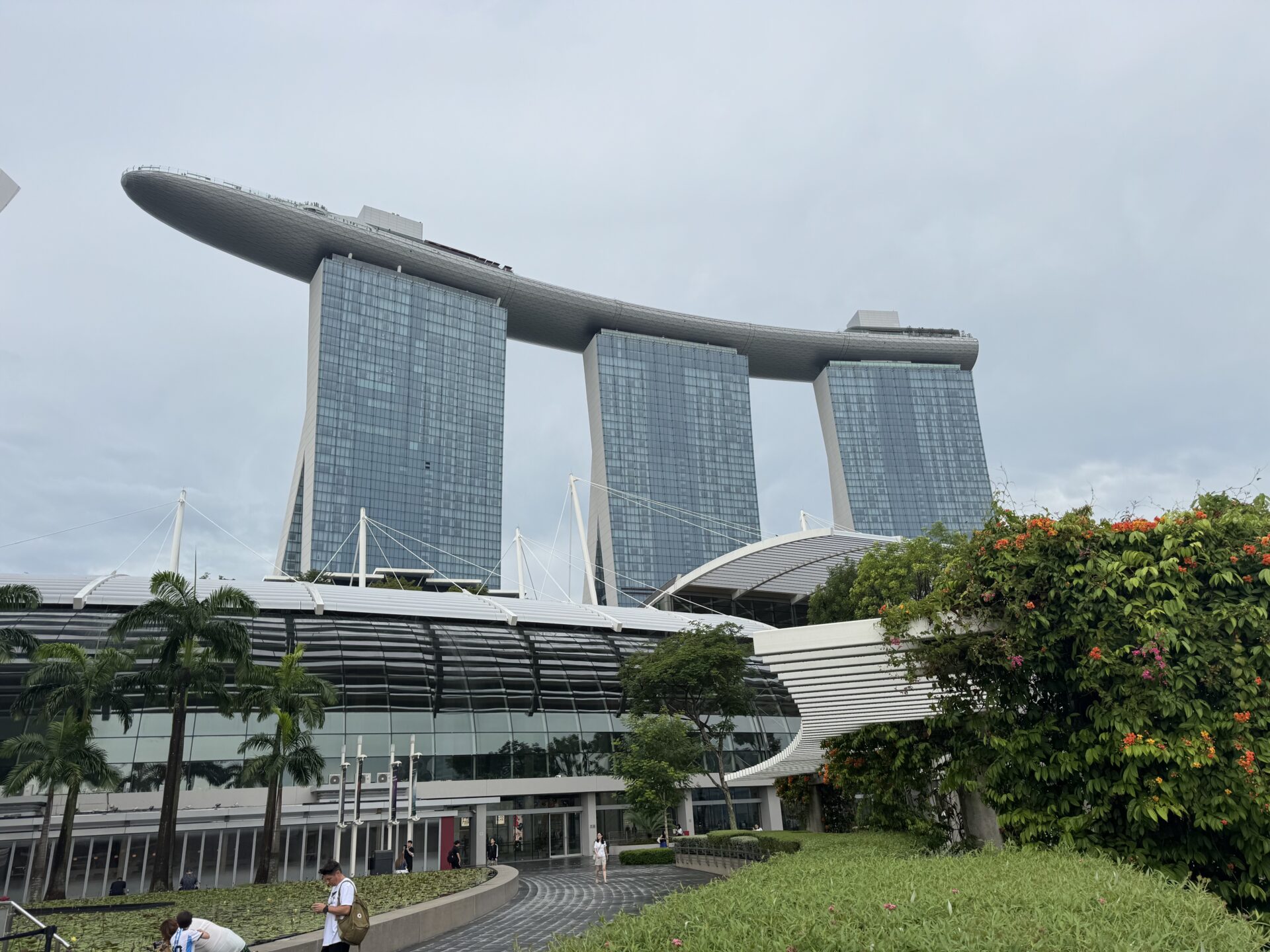
Singapore is compact, spotless and incredibly easy to get around, which makes it perfect for a short trip or a long stopover on the way to Bali, Thailand or Australia. Three days is enough to see the highlights. We spent three days there ourselves, and this guide covers everything in order: entry rules (including the 96-hour visa-free transit), which area to stay in, what a day actually costs, the top things to do in Singapore, and a ready-made 3-day itinerary.
A quick note before we start: entry rules change from time to time. Always double-check them on the official Immigration & Checkpoints Authority (ICA) website before you fly: ica.gov.sg — visa requirements.
1. Do You Need a Visa for Singapore?
For most travelers, no. Citizens of the US, UK, EU, Australia, New Zealand, Japan, South Korea and many other countries can enter Singapore visa-free for up to 30 or 90 days, depending on the passport. Check your nationality on the ICA list linked above.
What every visitor needs
- A passport valid for at least 6 months from your date of entry.
- A confirmed onward or return ticket and enough funds for your stay.
- A completed SG Arrival Card (SGAC), the free digital arrival card (details below).
- Visa, if your nationality requires one. Since 30 January 2026, ICA can instruct airlines not to board passengers who don’t meet entry requirements, so sort your documents out before you get to the airport.
If your passport needs a visa: the 96-hour Visa-Free Transit Facility (VFTF)
Some nationalities that normally need a visa can still visit Singapore for up to 96 hours under the Visa Free Transit Facility (VFTF). It isn’t a tourist visa but a transit regime: Singapore has to be a stop on your way to or from a third country. The conditions depend on your nationality (some passports also need a valid visa for the US, Schengen area or another country), so check them on the official VFTF page. In general:
- Transit to or from a third country. Singapore must be a stopover, not the final destination. For example: Thailand → Singapore → Indonesia. Flying in and back out to the same place doesn’t qualify.
- An onward ticket within 96 hours. You need a confirmed ticket out of Singapore departing no later than 96 hours after you arrive.
- Departure by air. You can arrive by any means of transport, but you must leave by plane.
- Passport valid for 6+ months and a completed SG Arrival Card.
⚠️ Important: VFTF is not a guaranteed right. It is granted by the ICA officer at the border, and it can’t be extended. If Singapore is your final destination, you need a regular Singapore visa instead (applied for in advance through an authorized agent or an embassy).
⚠️ Our experience: we flew to Singapore from Thailand on VFTF. At check-in the airline staff held us for about 30 minutes and insisted we needed a visa. We showed our onward ticket to Indonesia and our hotel booking, and they even asked for our ticket out of Indonesia and our hotel there. In the end they let us board, warning us that we might not be allowed out of the airport.
At passport control in Singapore the officer simply checked our onward ticket and let us through. It took five minutes. Leaving was just as smooth.
So if your case clearly fits the rules, stand your ground politely and show the official ICA page. Airline ground staff don’t always know the transit rules.
SG Arrival Card: the digital arrival card
Every traveler must submit one. It’s a free online form (with a short health declaration) that you can fill in up to 3 days (72 hours) before arrival.
- Where to fill it in: only on the official ICA site, eservices.ica.gov.sg/sgarrivalcard, or in the MyICA app. Copycat websites charge a fee for it. The official card is free and takes a few minutes.
- What you’ll need: passport details, flight numbers (arrival and departure), your arrival date and your accommodation address in Singapore. That’s why it’s best to book your hotel first.
2. Where to Stay in Singapore
Book your hotel in advance: you need the address for the arrival card, and good-value rooms in Singapore sell out fast. The area matters more than the hotel itself, because it decides how much time you spend getting around.
Our recommendation is the central area circled on the map: between Kampong Glam, Bras Basah, Clarke Quay, Chinatown and Marina Bay. You’ll find budget options here, and almost every major sight is within walking distance.
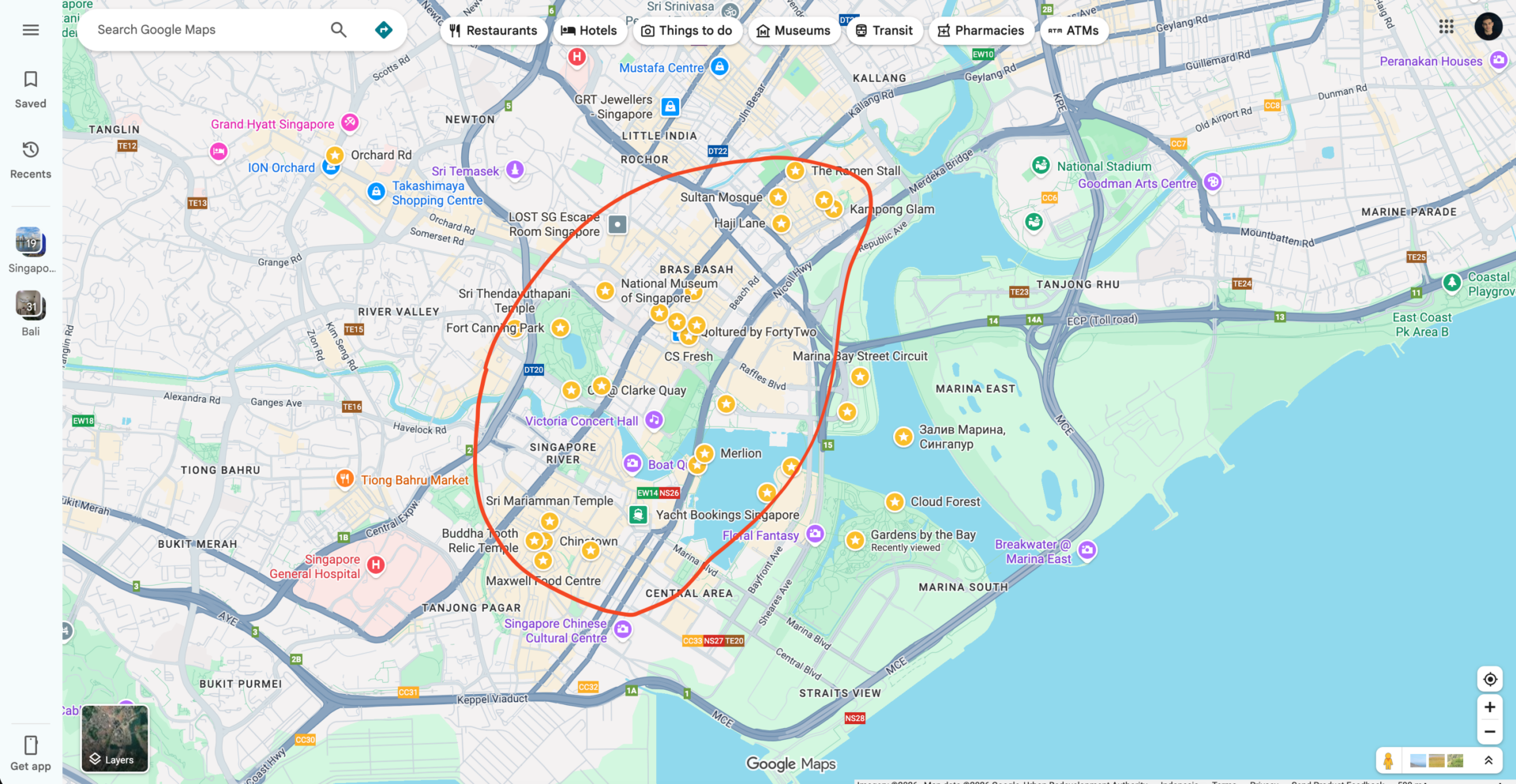
The city is small and the MRT (metro) is excellent, so anywhere central near a metro line works fine. A Grab ride across the center usually costs from about S$10. We only used it a couple of times, when it rained and late in the evening when we were too tired to walk.
Where to book
We booked on Trip.com: it’s easy to compare reviews, prices and locations on the map. Our routine: shortlist a few options by price and location, read the reviews, double-check the place and its reviews on Google Maps, and book.
Our shortlist in this area was A Hotel Farrer Park, Arton Boutique Hotel and Weave Suites – Midtown.
We went with Weave Suites – Midtown. Honestly, it was just okay for a couple of nights. Our room was on the basement level (-1) with a tiny window, which didn’t feel great. A room on a higher floor would be a different story. I’d rate it 3 out of 5 for freshness and comfort, and the room wasn’t cleaned on our first day.
As a guide, expect to pay around S$120–150 (≈ US$90–115) a night for a budget-to-decent double room in the center.
3. How Much Does a Trip to Singapore Cost?
Singapore is one of the most expensive cities in Asia. Flights depend on where you’re coming from, and the arrival card is free, but budget generously for everything else. The currency is the Singapore dollar (SGD); S$1 ≈ US$0.77 at the time of writing.
SIM card and internet
The easiest option is an eSIM bought online in advance, for example on Trip.com. Pick the number of days and the data package, pay, and you get installation instructions. Usually it’s a one-tap setup.
Install the eSIM before your trip, switch on data roaming for it when you land, and you walk off the plane already online, with no SIM shops or queues. This only works if your phone supports eSIM (almost all recent models do).
If your phone doesn’t support eSIM, buy a tourist SIM at Changi Airport or at a 7-Eleven in the city. I wouldn’t rely on free Wi-Fi: you’ll be walking a lot, using maps and looking things up. One SIM for the group with a hotspot works well.
Getting around
The MRT is fast, clean and covers the whole city, including Changi Airport. A ride costs about S$1–2.
- The simplest way to pay is to tap your contactless Visa or Mastercard (or your phone) at the gate. You no longer need a separate transport card.
- No contactless card? Buy an EZ-Link card at a station machine or a 7-Eleven, about S$10 (S$5 for the card plus S$5 credit).
- Singapore Tourist Pass gives unlimited rides: S$17 for 1 day, S$24 for 2 days, S$29 for 3 days. It only pays off if you make 5–6+ trips a day; at a normal pace, paying by card is cheaper.
- Changi Airport to the city: about S$2 and 40–60 minutes by MRT, or S$20–30 by taxi or Grab.
We mostly walked and took Grab a few times: from about S$10 for a ride around the center and about S$25 to and from the airport. Download the Grab app and link your card before the trip.
Money and cards
Cards are accepted almost everywhere, including contactless payments. We paid by card the whole trip and never exchanged cash. A card without foreign transaction fees will save you money.
It’s still worth carrying a little cash for hawker stalls and small shops. If you need to exchange money, skip the airport and hotels: money changers in shopping malls in the center have fair, similar rates.
Food
We ate at cafés and restaurants, grabbed fast food now and then, and shopped at convenience stores. Expect from S$15 per person at a regular café; restaurants cost more. For groceries, look for 7-Eleven or Cheers, though prices bite there too (a bottle of water is about S$3). Hawker centres like Maxwell Food Centre in Chinatown are the best way to eat well for less.
Attractions
A lot is free: the Marina Bay waterfront, the Merlion, the evening light shows and walks through the historic districts. Paid highlights include the Gardens by the Bay conservatories (Flower Dome + Cloud Forest, about S$46), the Singapore Flyer (about S$40) and Universal Studios on Sentosa (about S$80).
Daily budget for two (average figures)
- Accommodation (per night): S$150
- Food: S$100
- Transport: S$30
- Attractions: S$30
- Total per day: about S$300 (≈ US$230)
Our whole 3-day trip came to about S$600 (≈ US$460) for two, since the arrival and departure days were only half days.
4. Things to Do in Singapore: The Top Sights
To make it easy, I pinned every place from this guide on one map. Open this Google Maps list and save all the places to your own map in one go. Then pick what you want to see, or let our free AI travel planner turn them into a route (more on that below).
Most of the highlights are around Marina Bay and in the colorful heritage districts. Here are the must-sees.
Marina Bay Sands
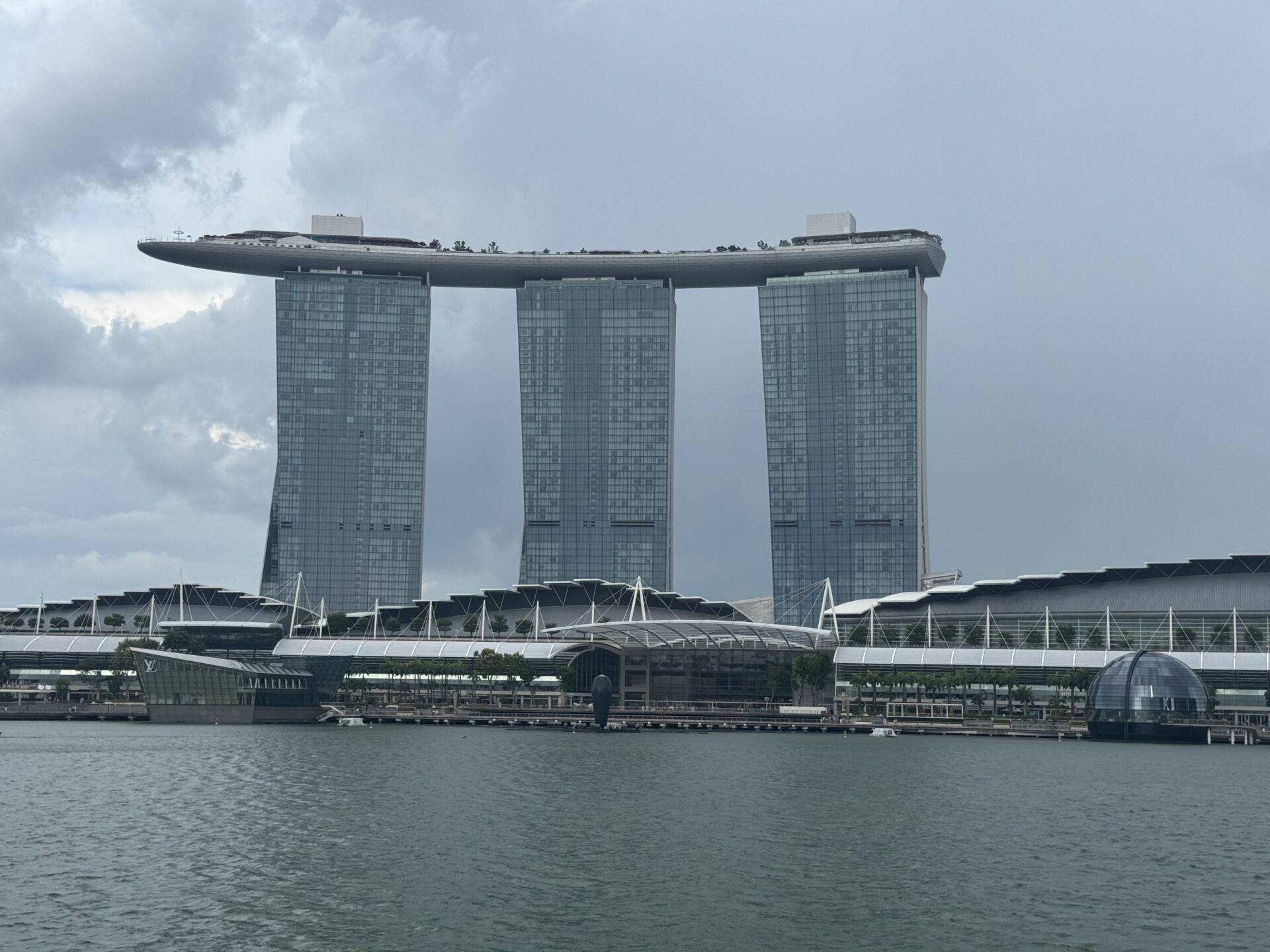
The city’s icon: three towers topped by the “ship” with its rooftop infinity pool. You can go up to the SkyPark observation deck or just walk the waterfront around it. Every evening there’s a free light and water show, Spectra, over the bay.
Gardens by the Bay
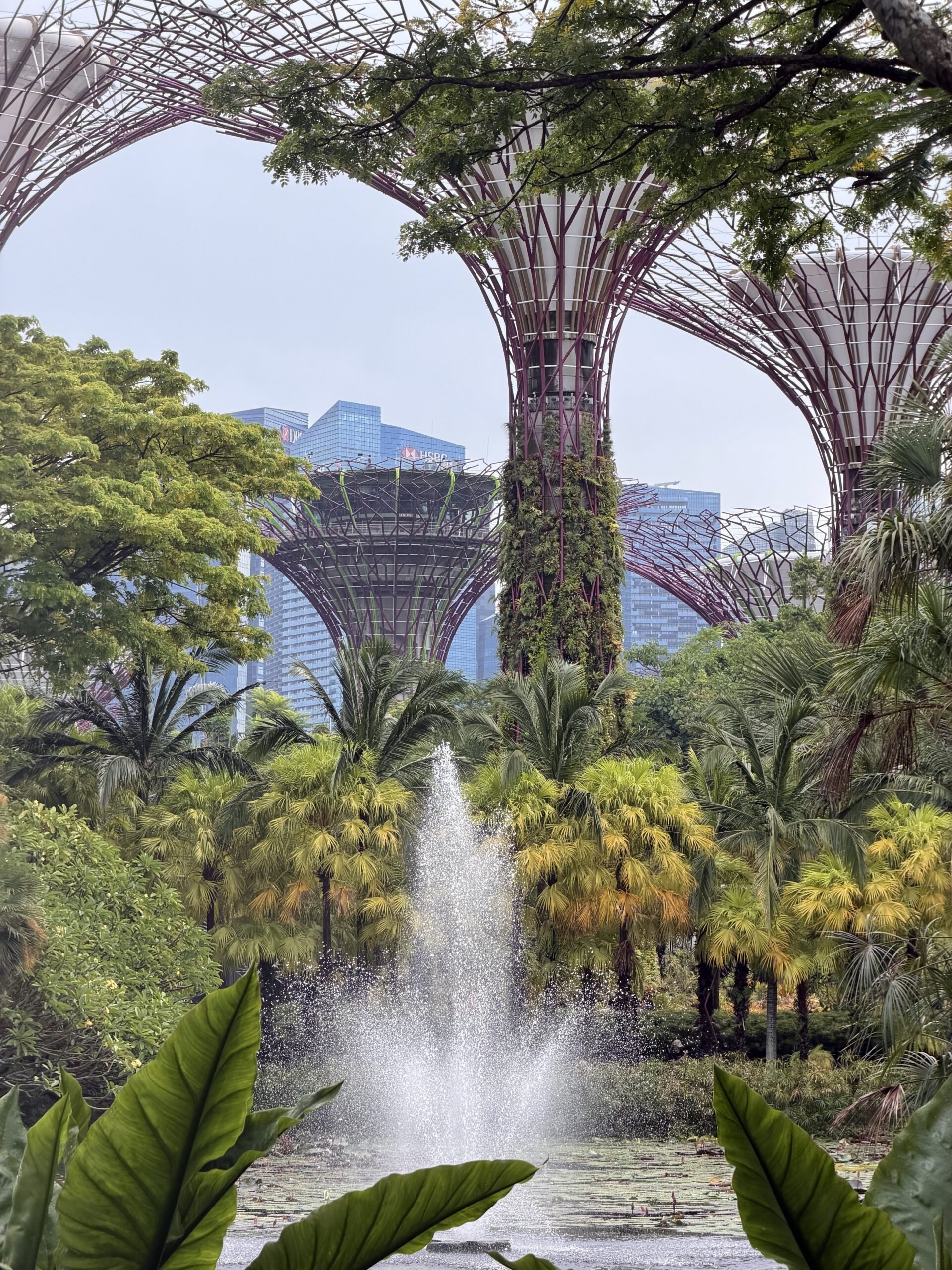
A futuristic park next to Marina Bay Sands. The star attraction is the Supertree Grove, giant vertical gardens on steel structures. The free Garden Rhapsody light and sound show runs every evening at 7:45 pm and 8:45 pm. The park itself is free; you pay only for the conservatories.
The city center and North Bridge Road
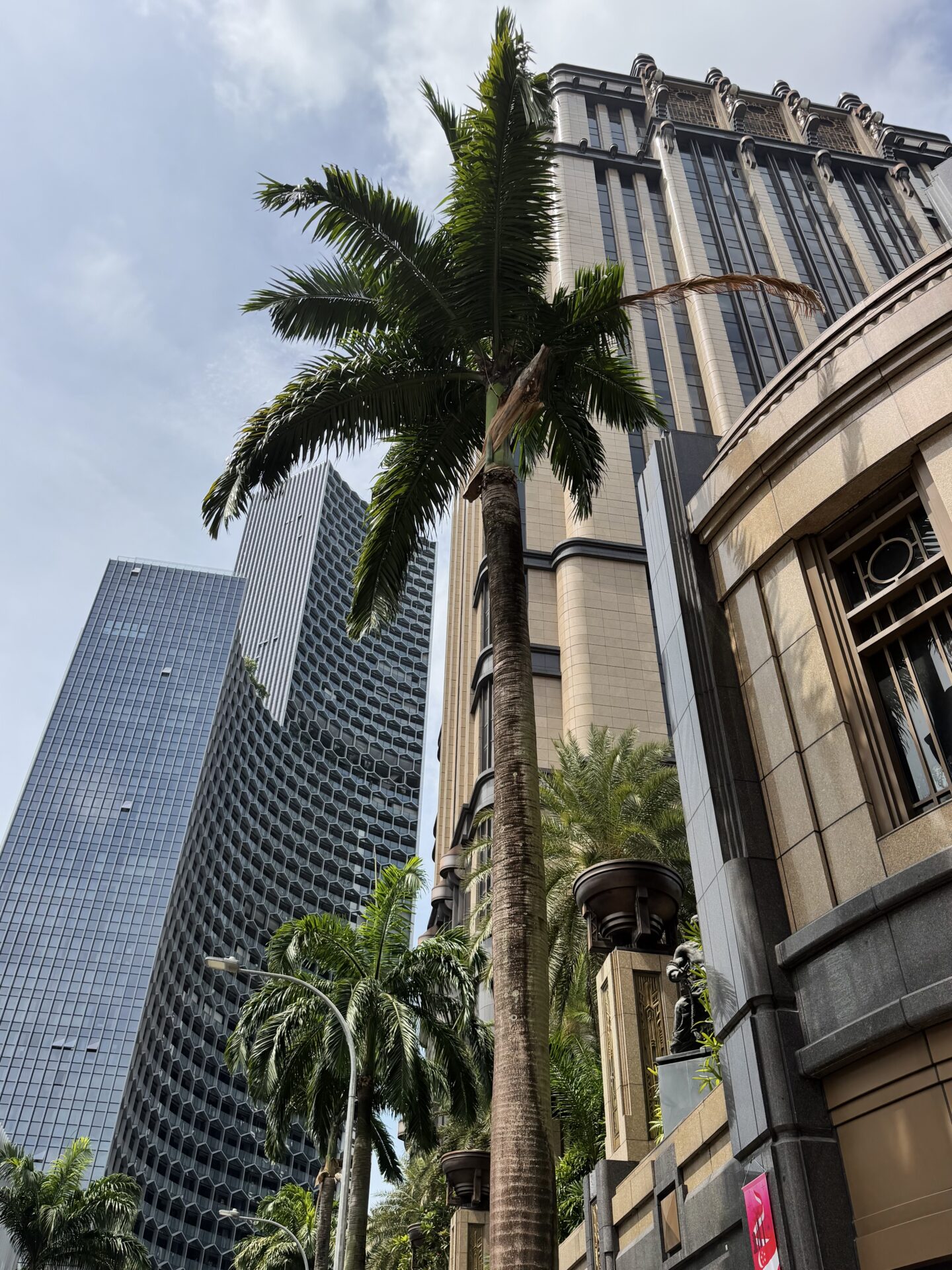
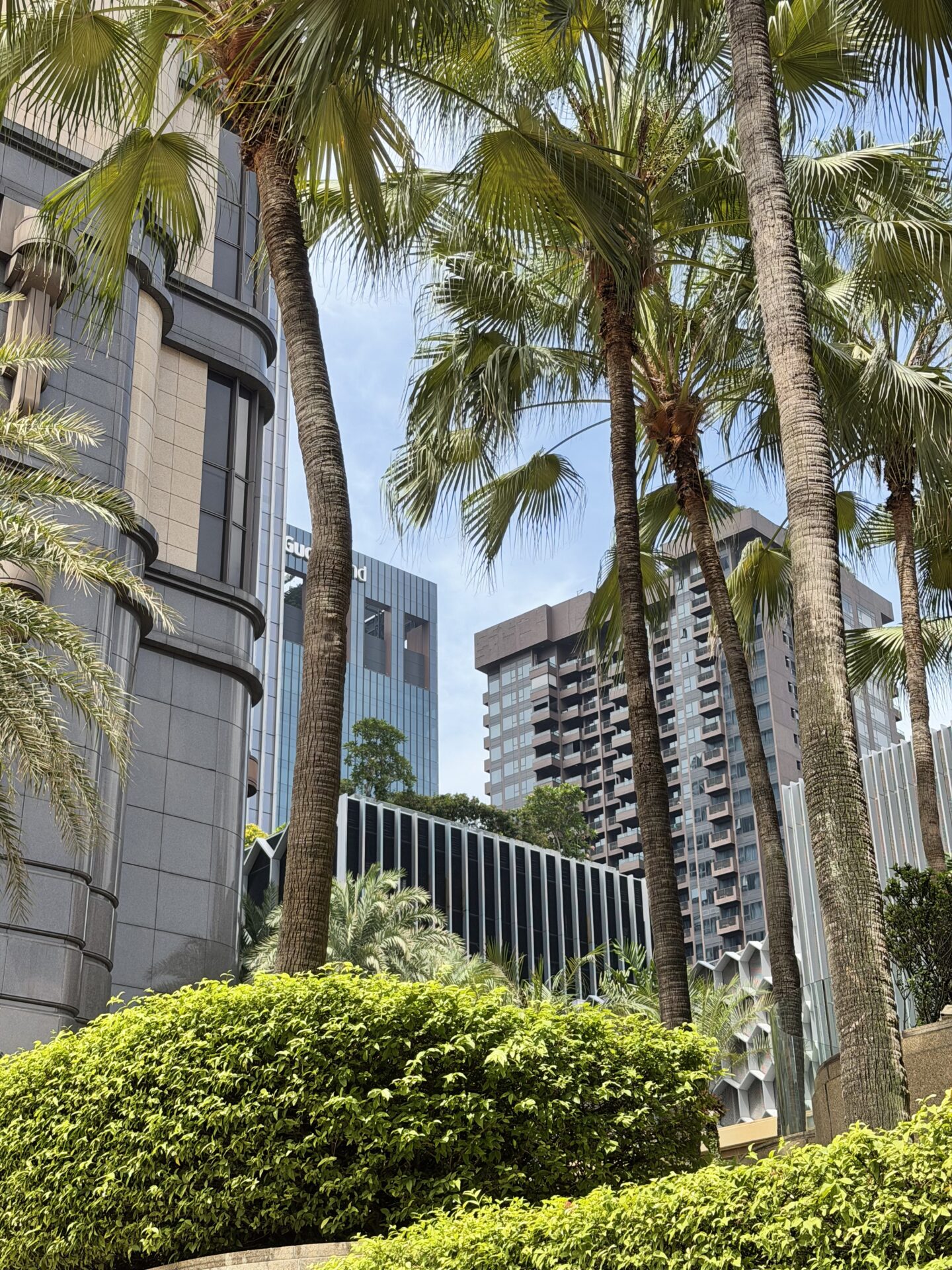
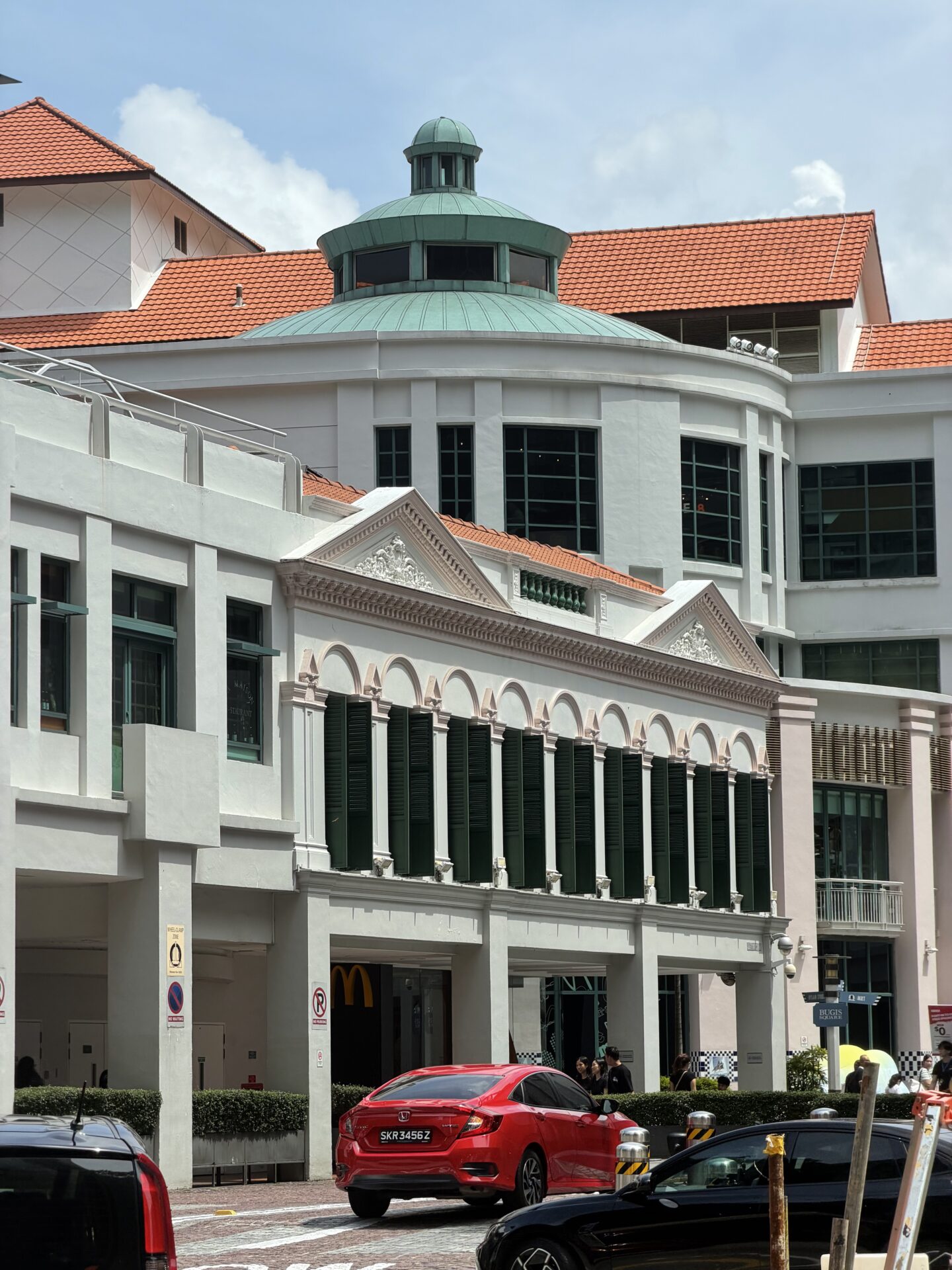
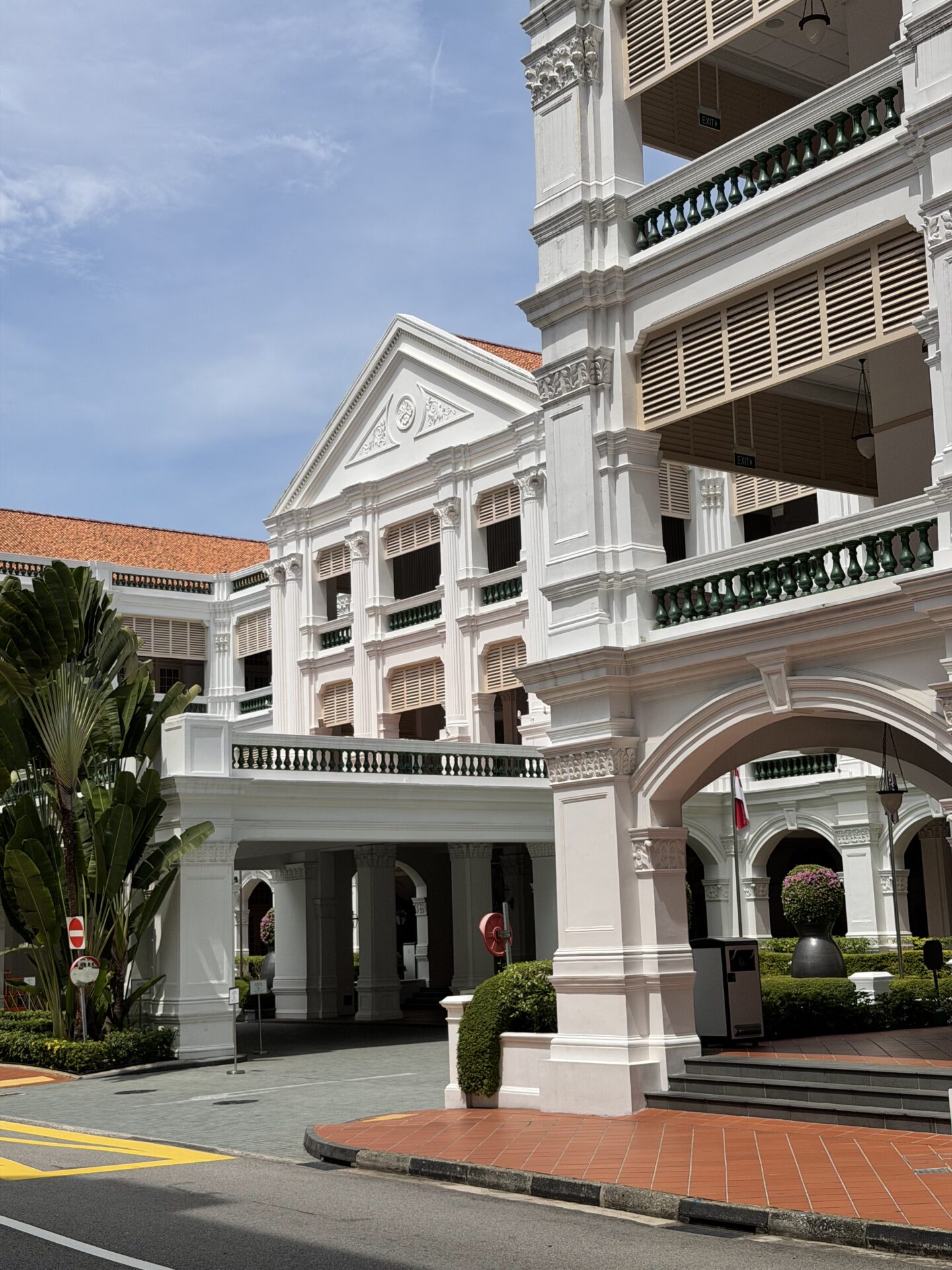
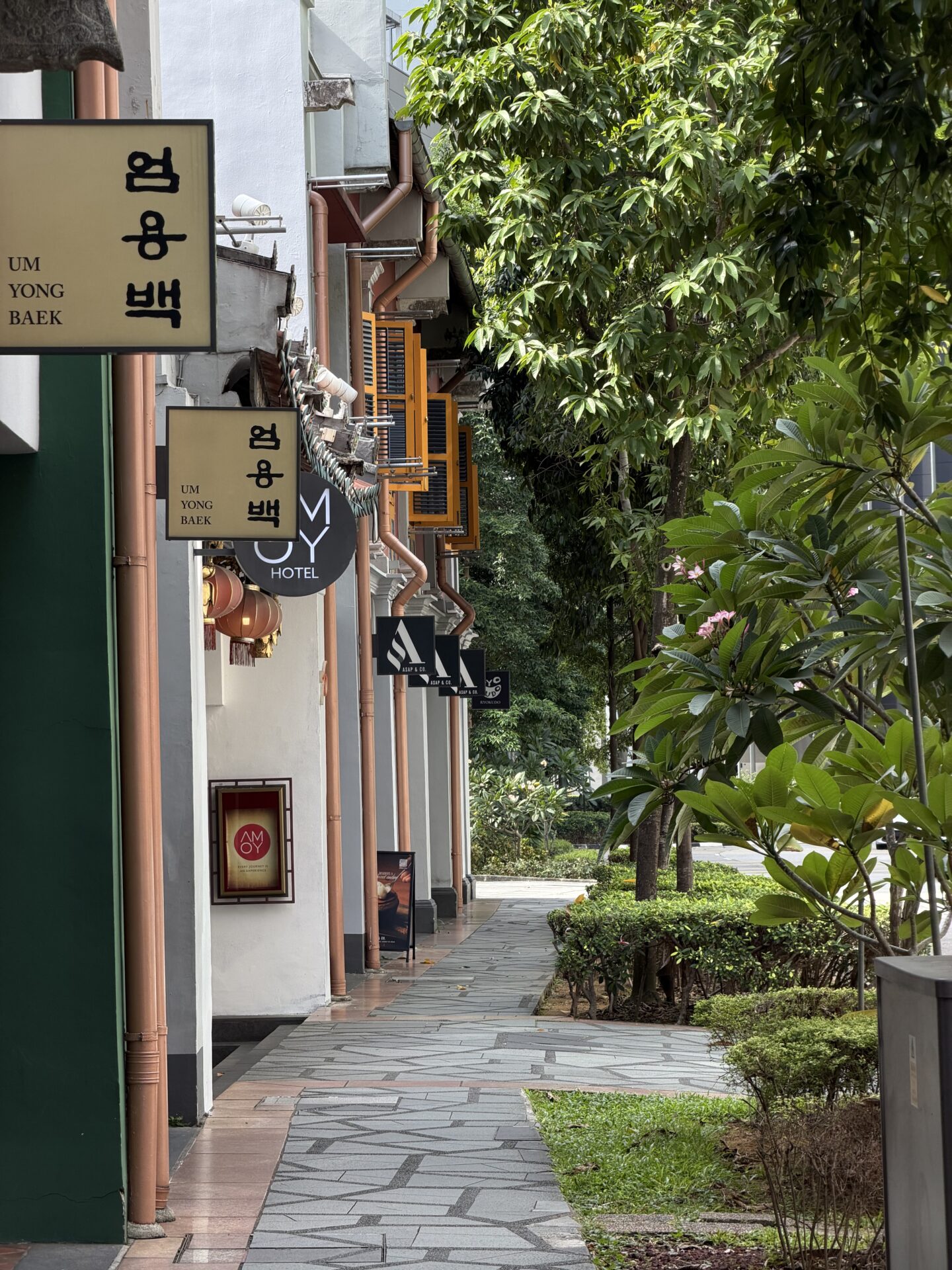
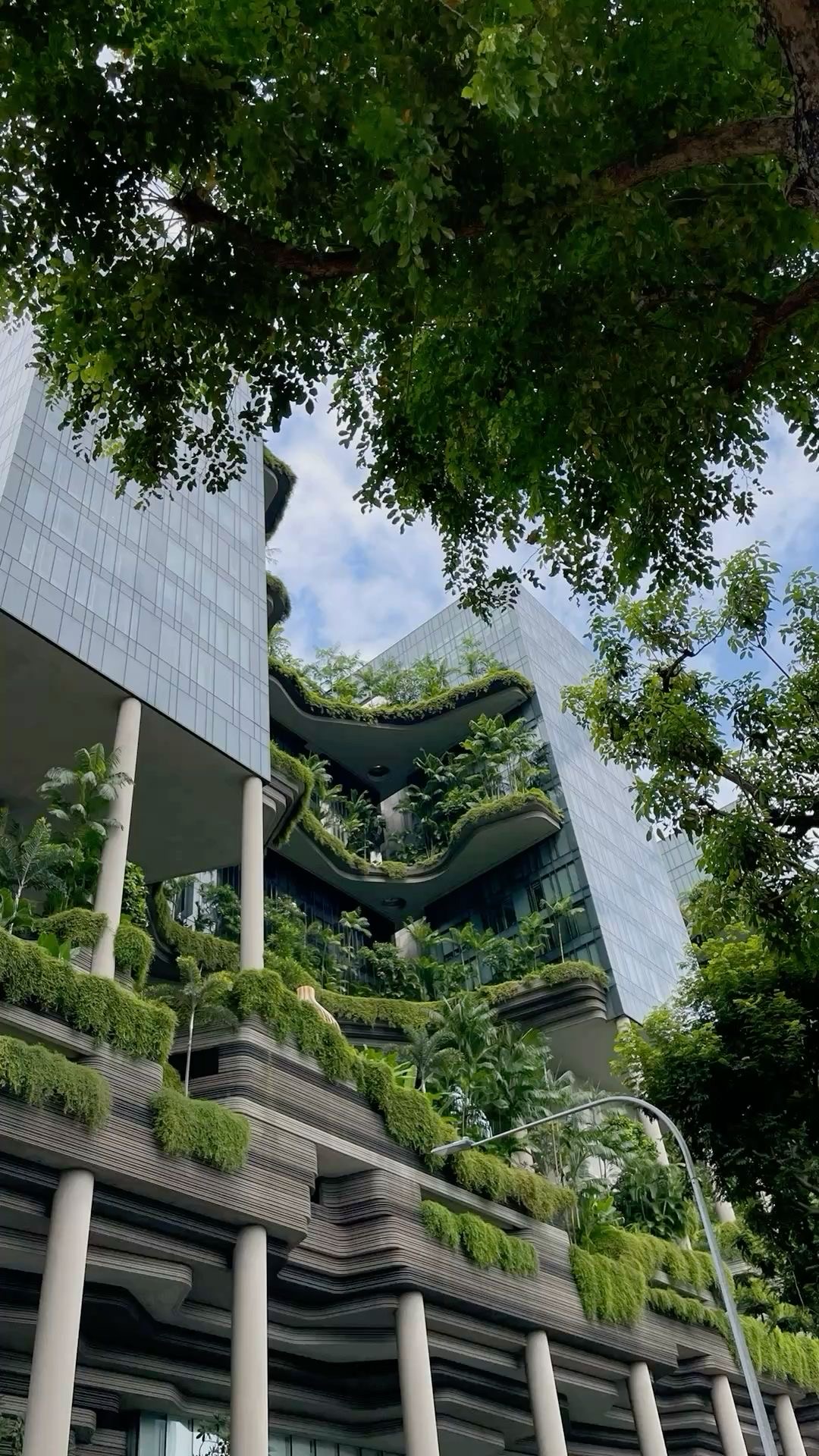
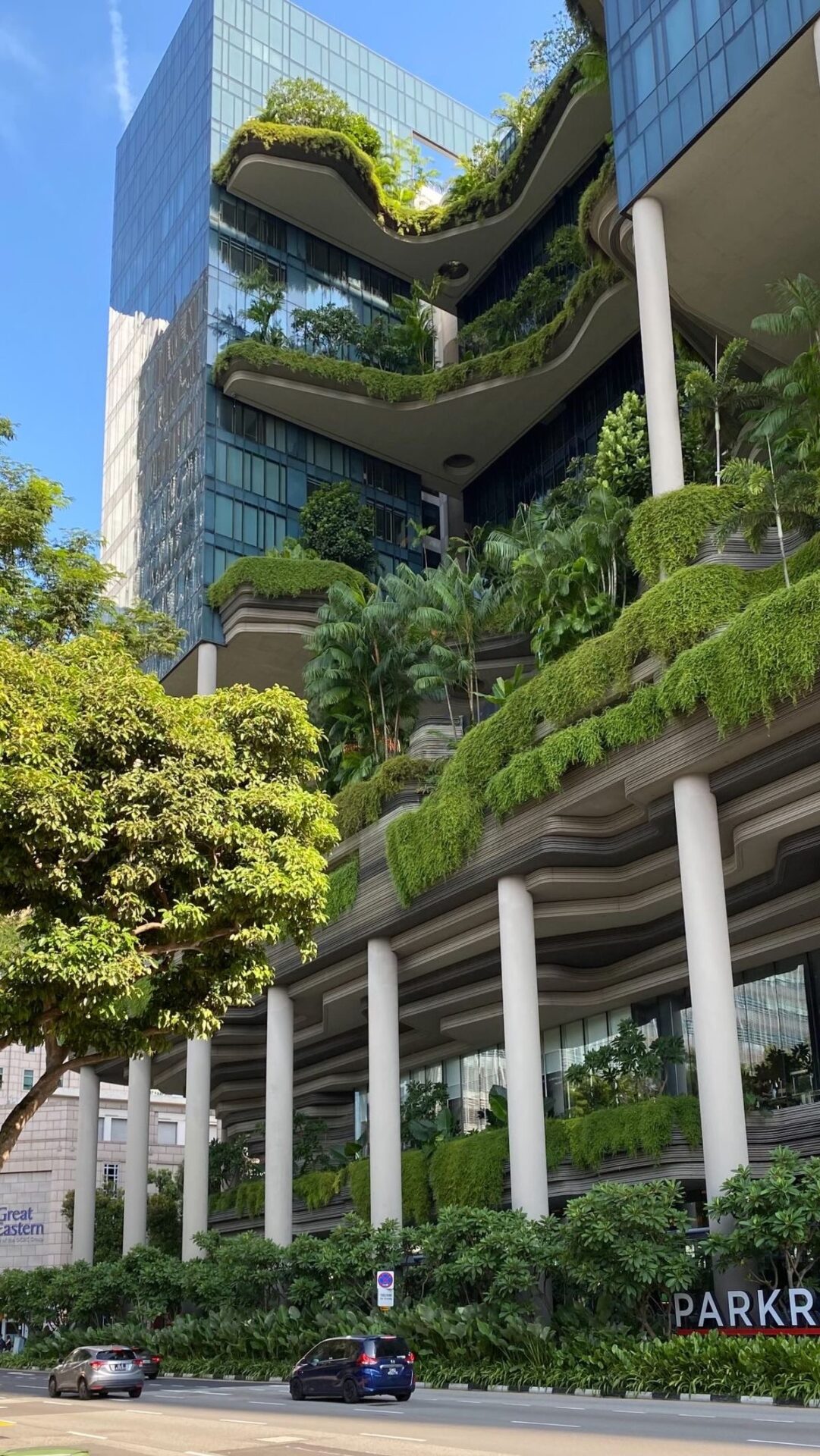
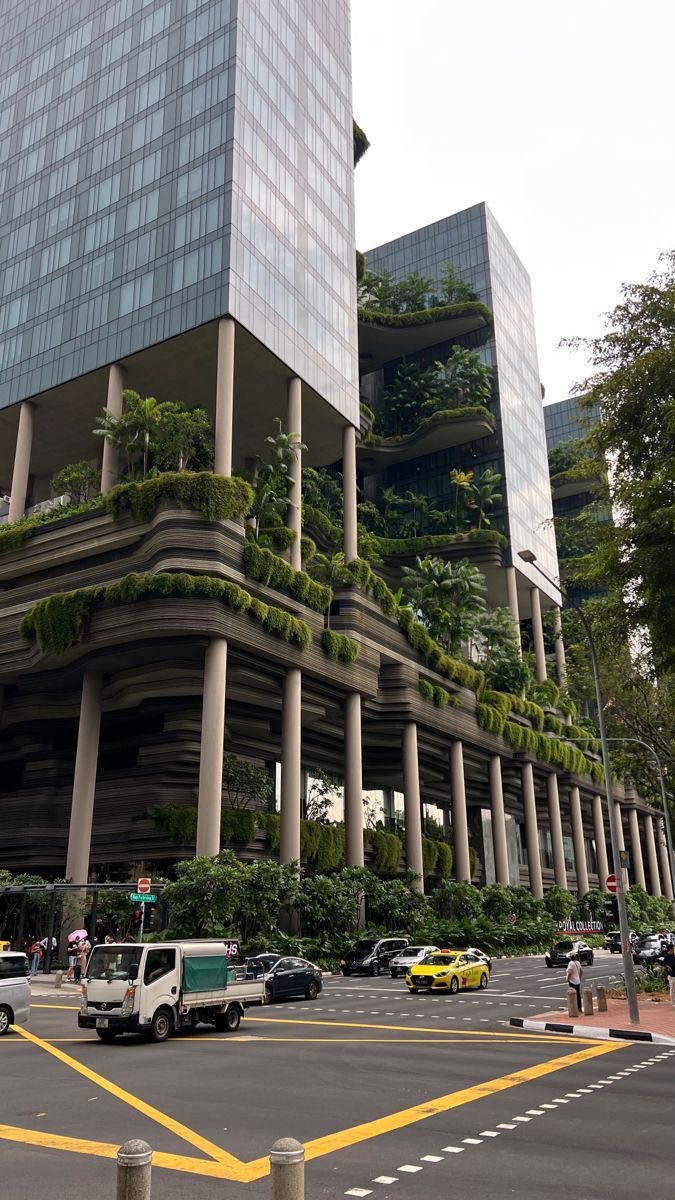
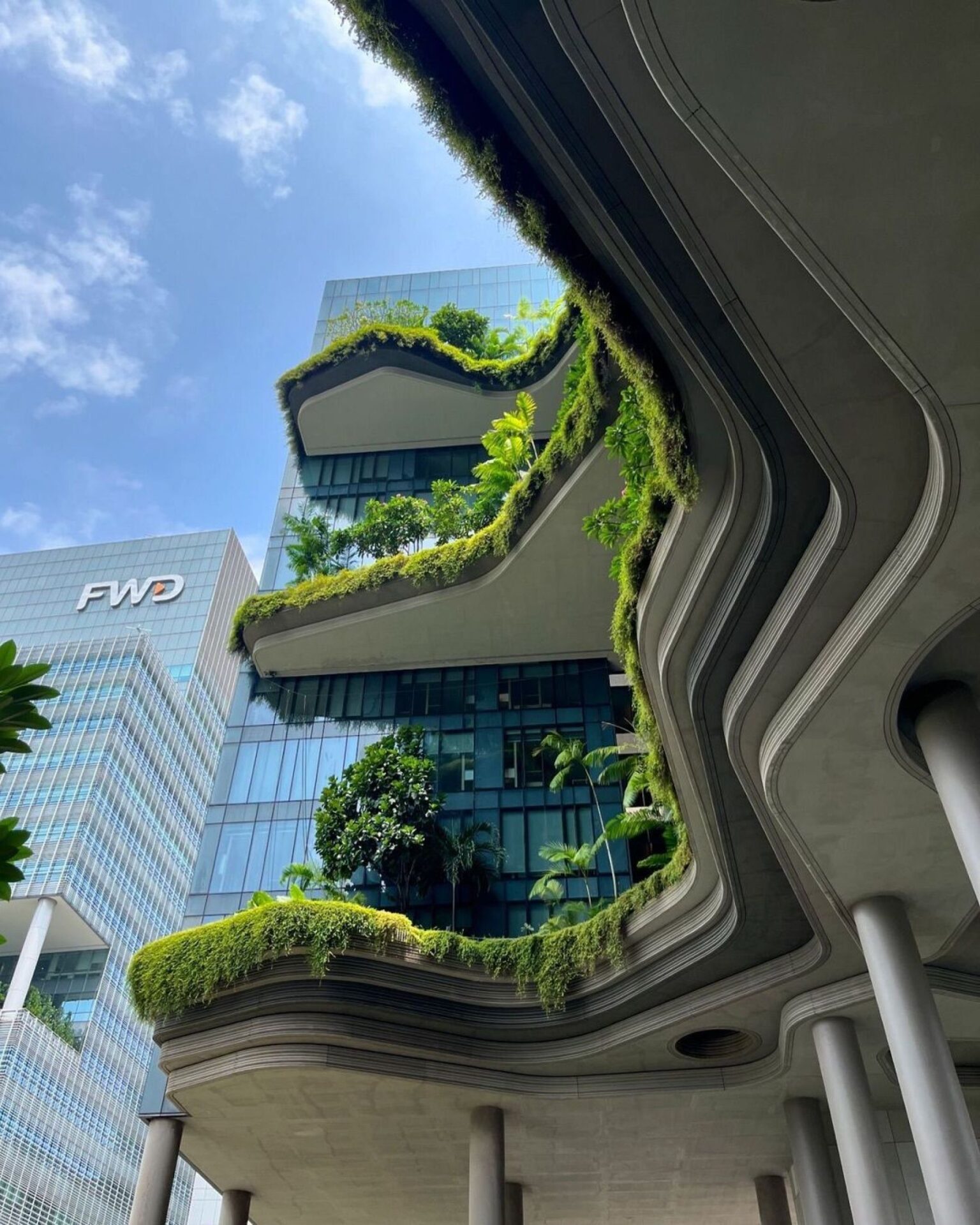
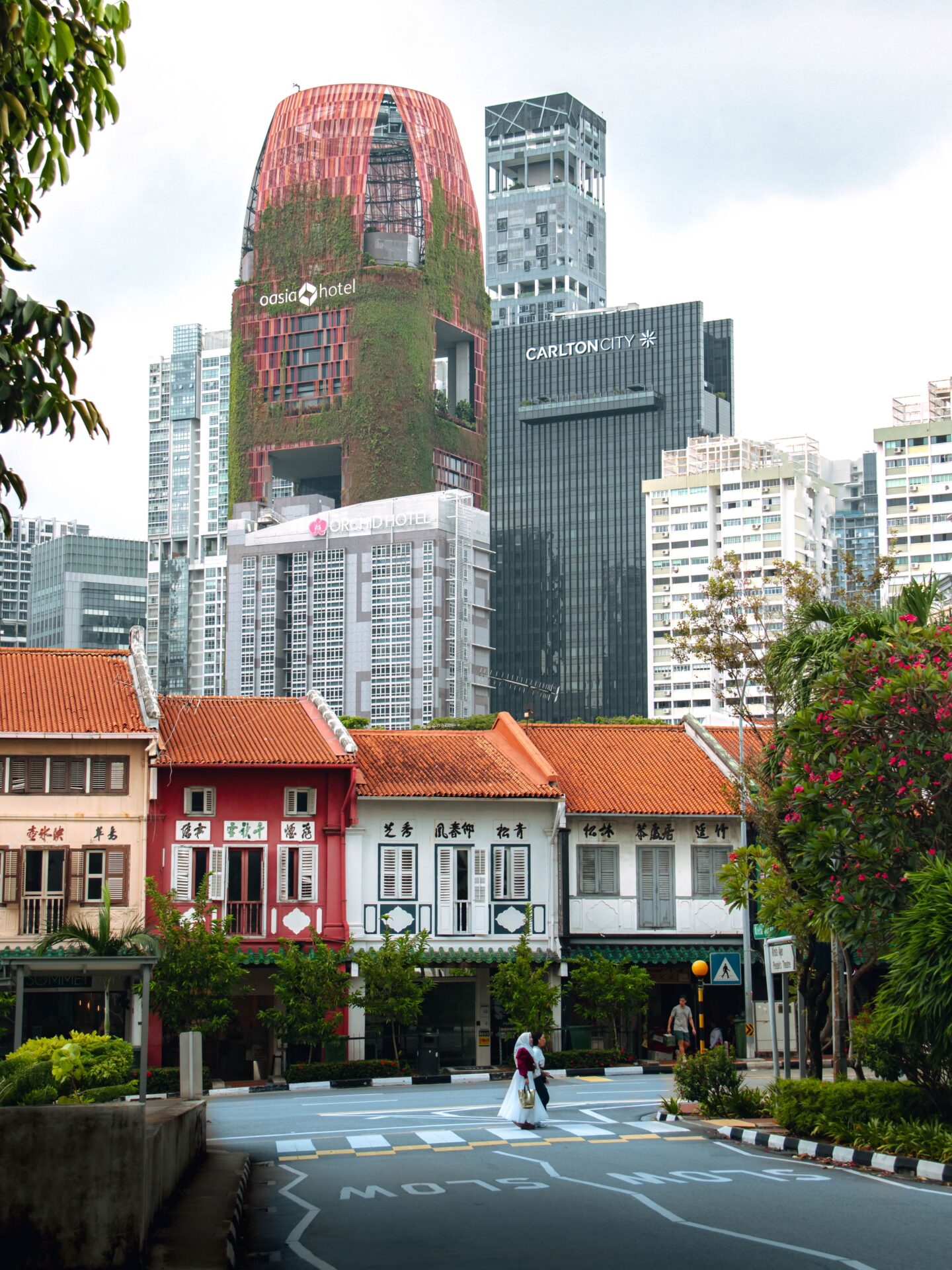
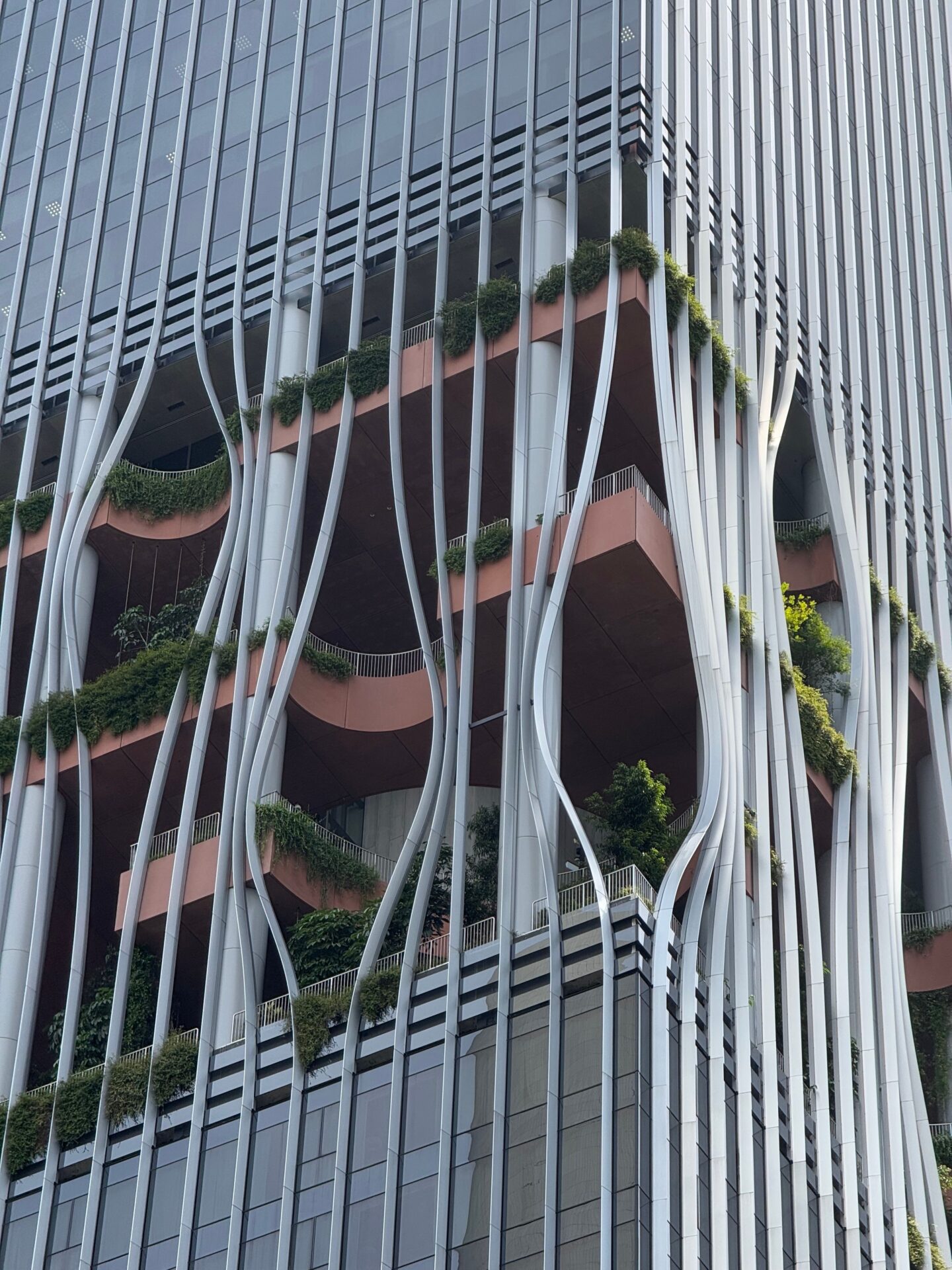
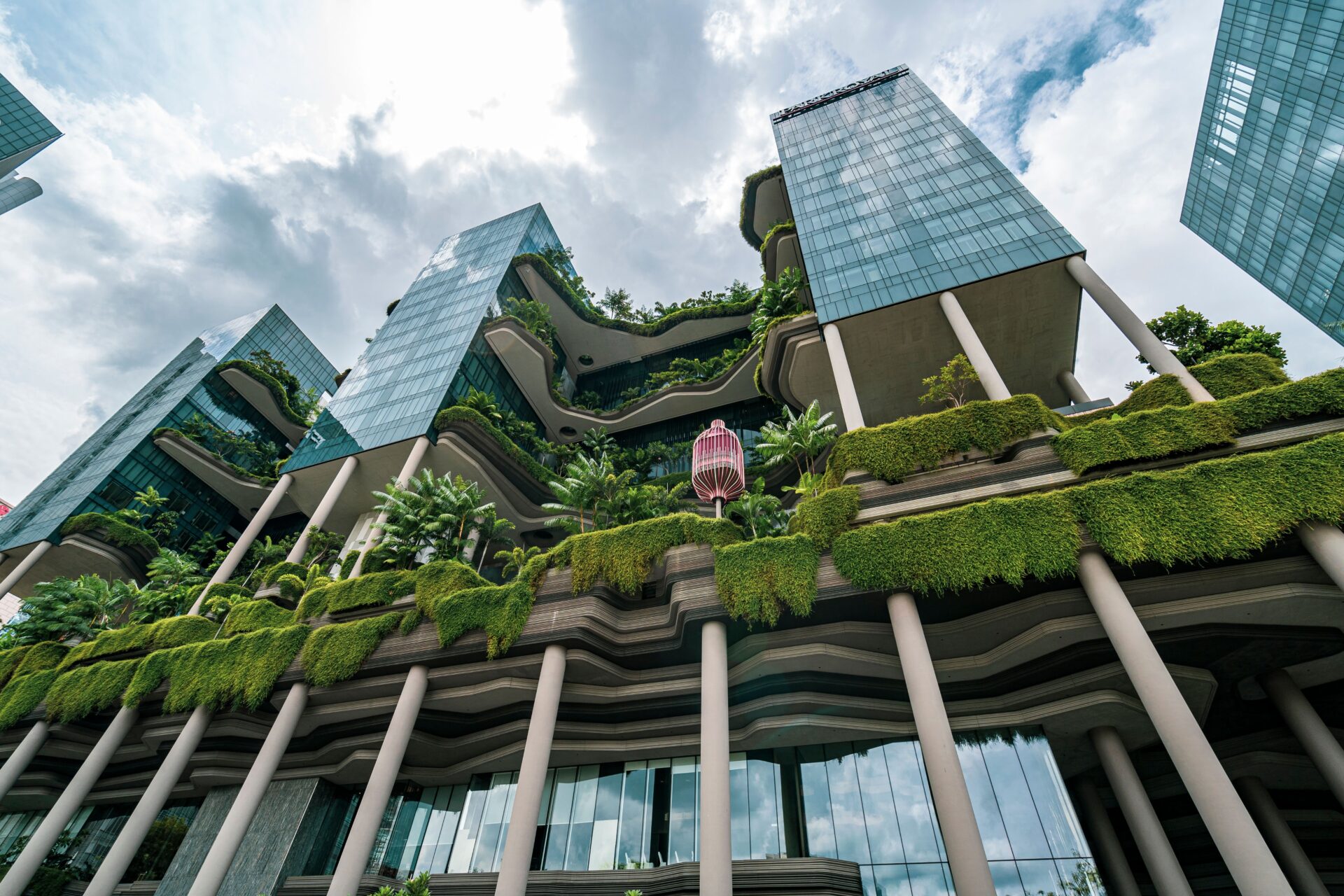
The city itself is beautiful! North Bridge Road runs right through the center and past the main sights I marked on the shared map. Just walking it is a highlight.
Merlion Park
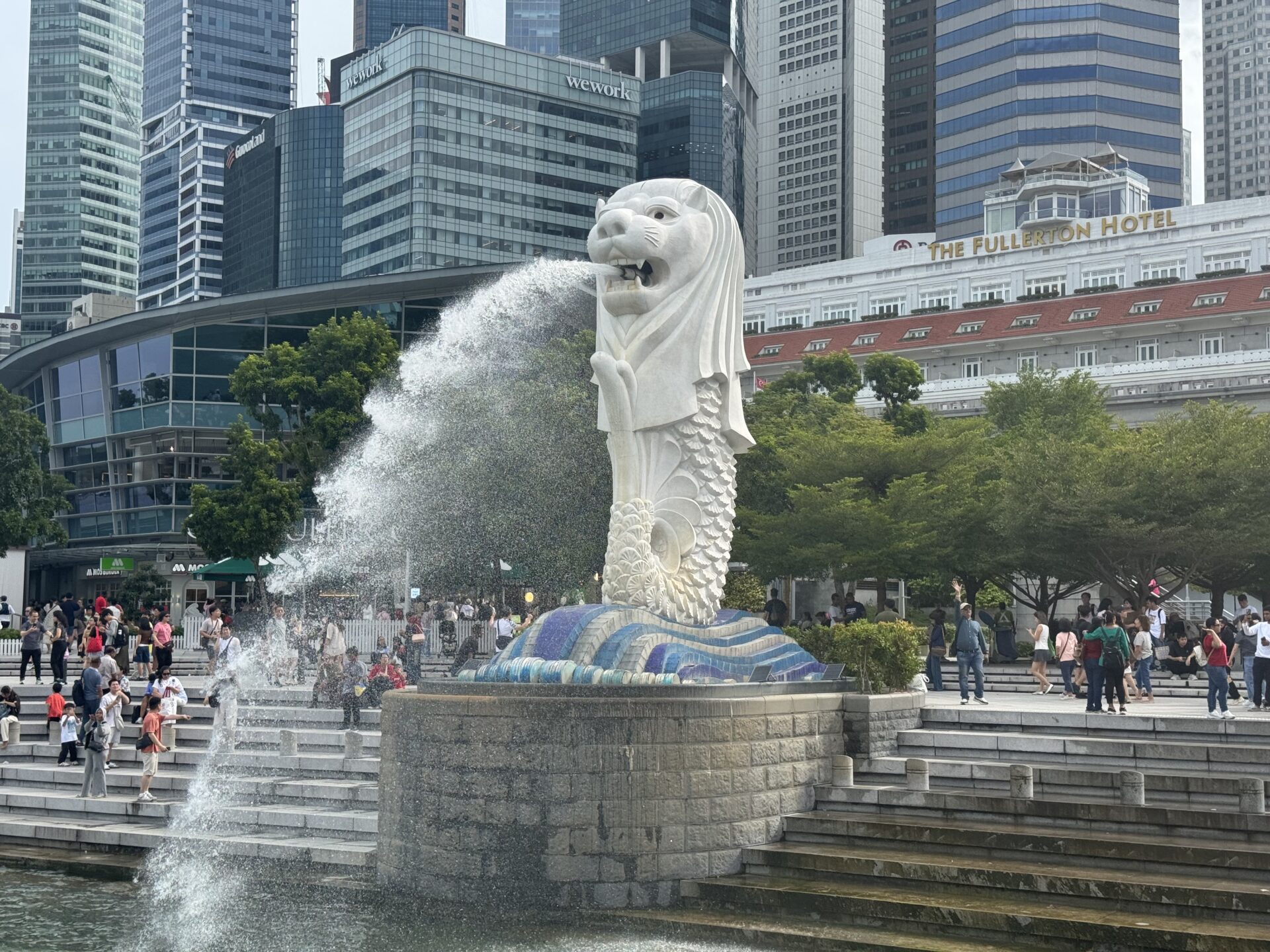
The Merlion, half lion and half fish, is the symbol of Singapore. It also has the best view of Marina Bay Sands across the water, the city’s most famous postcard shot. Free!
Chinatown
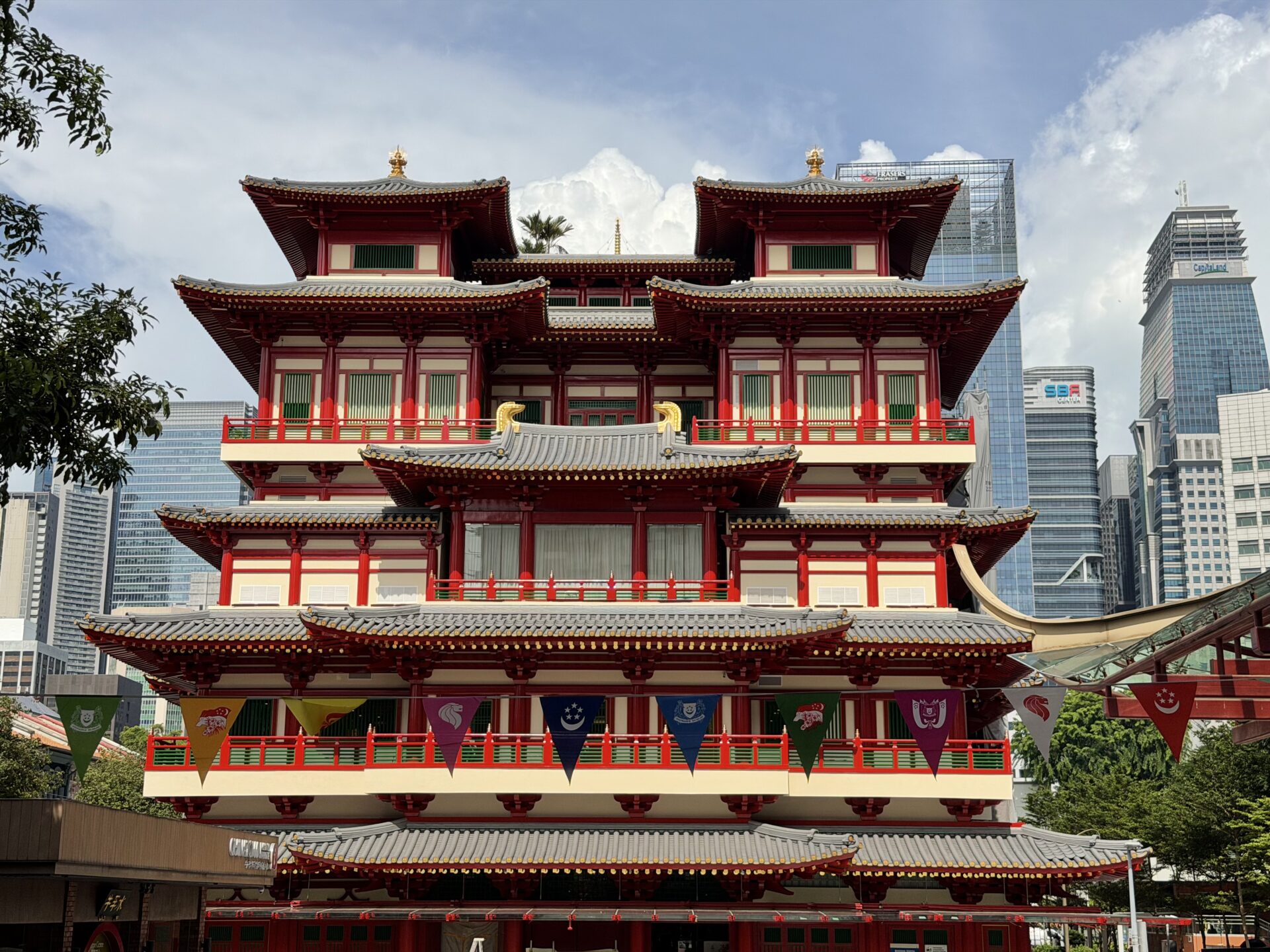
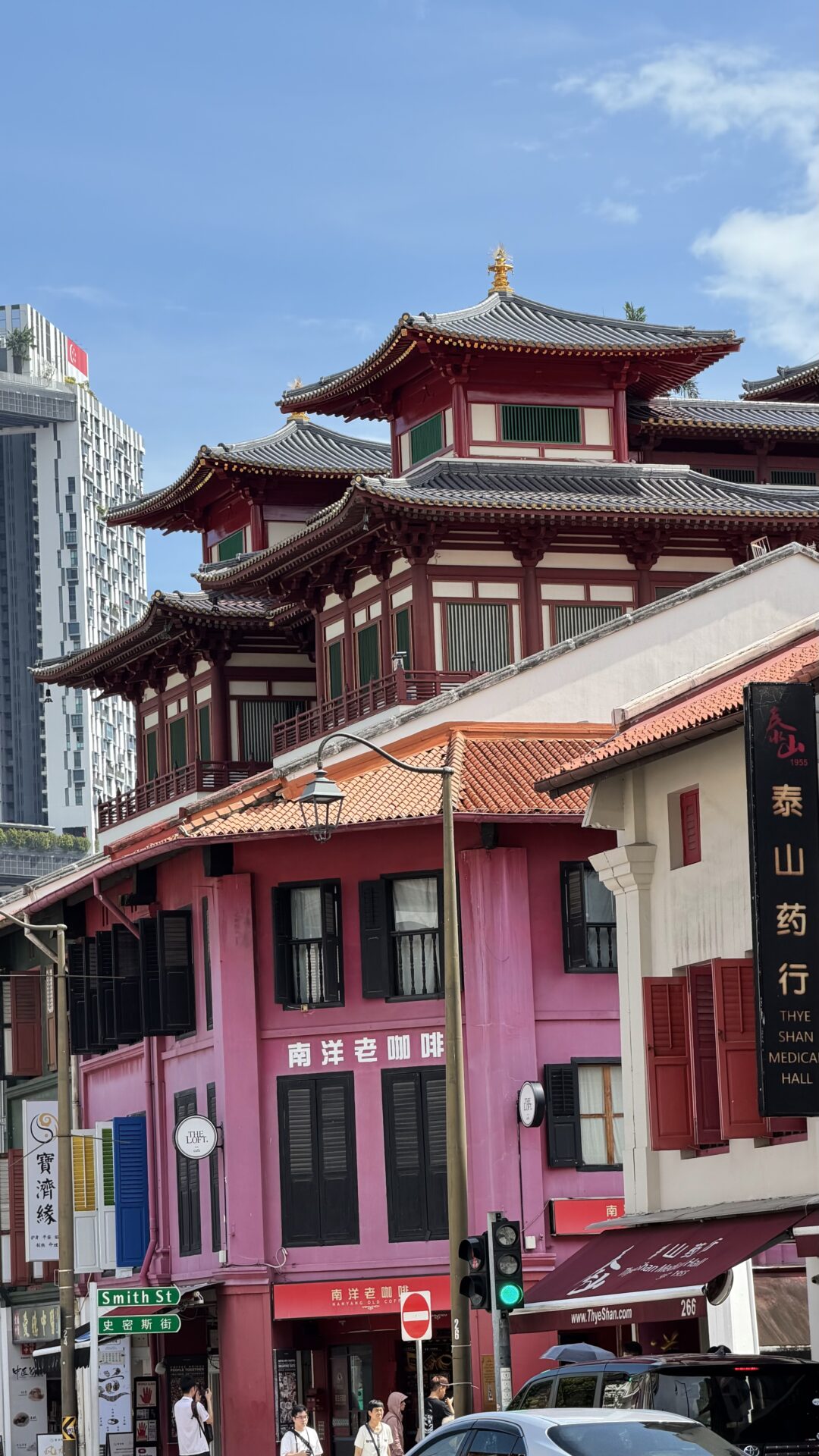
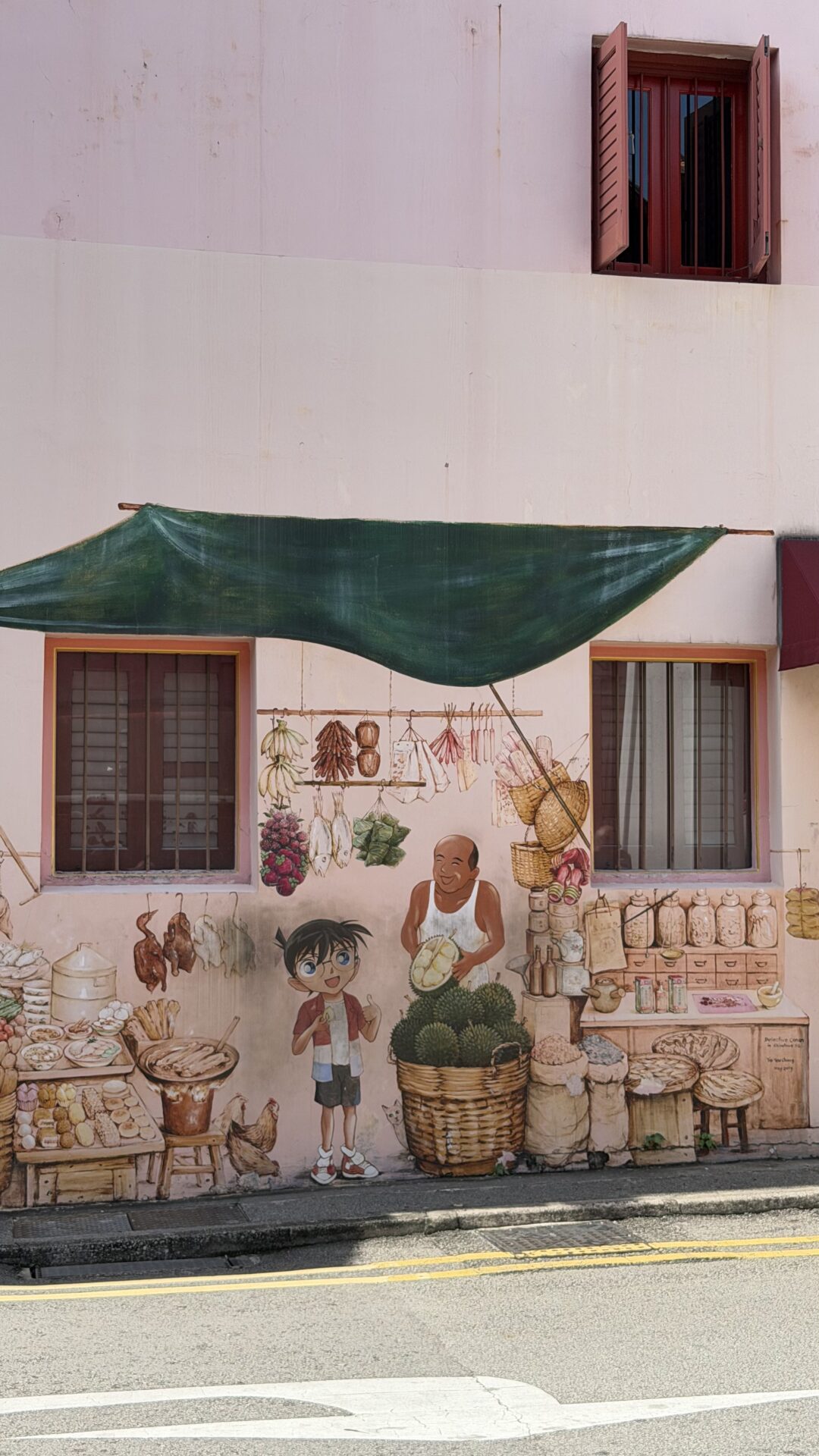
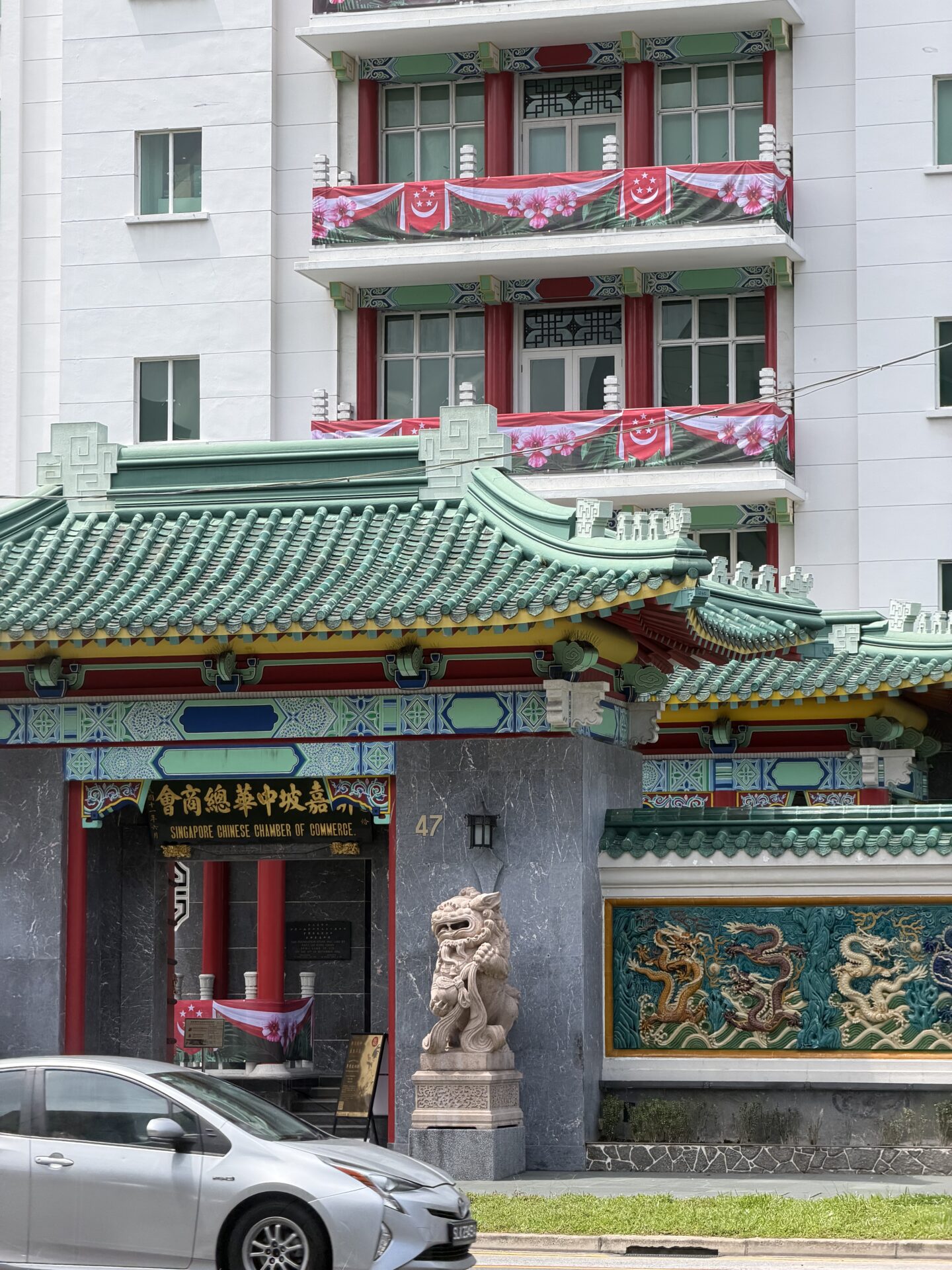
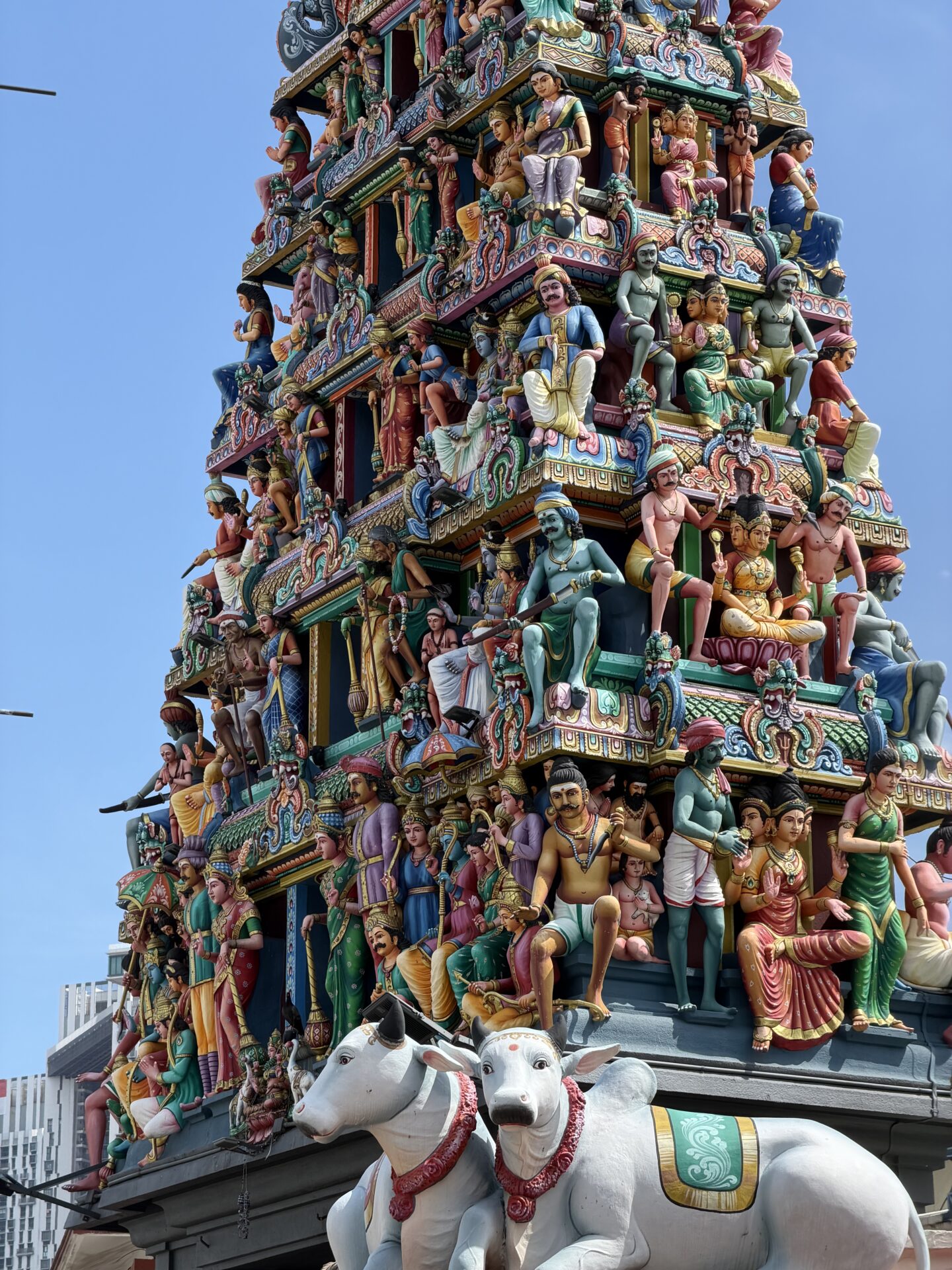
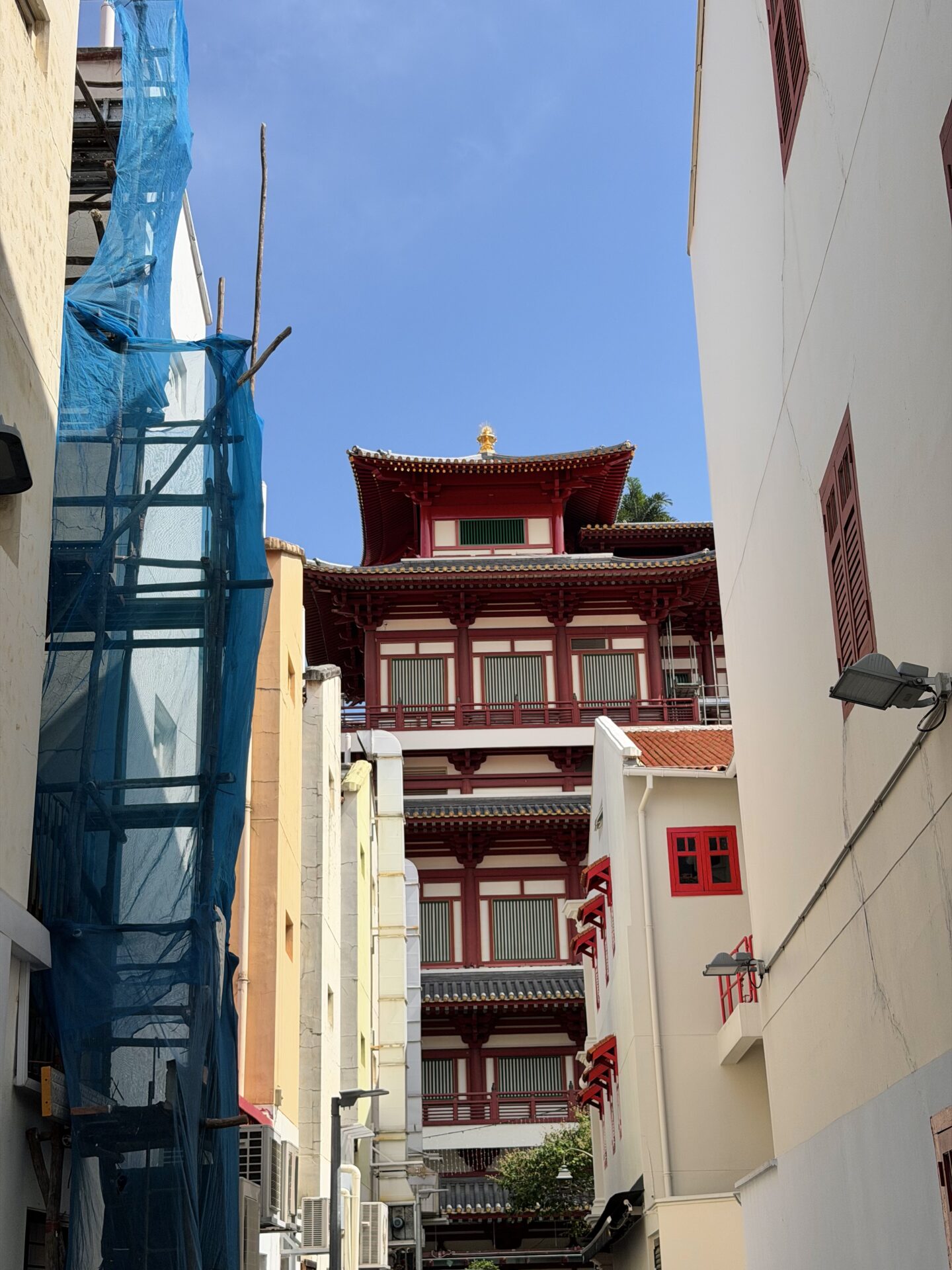
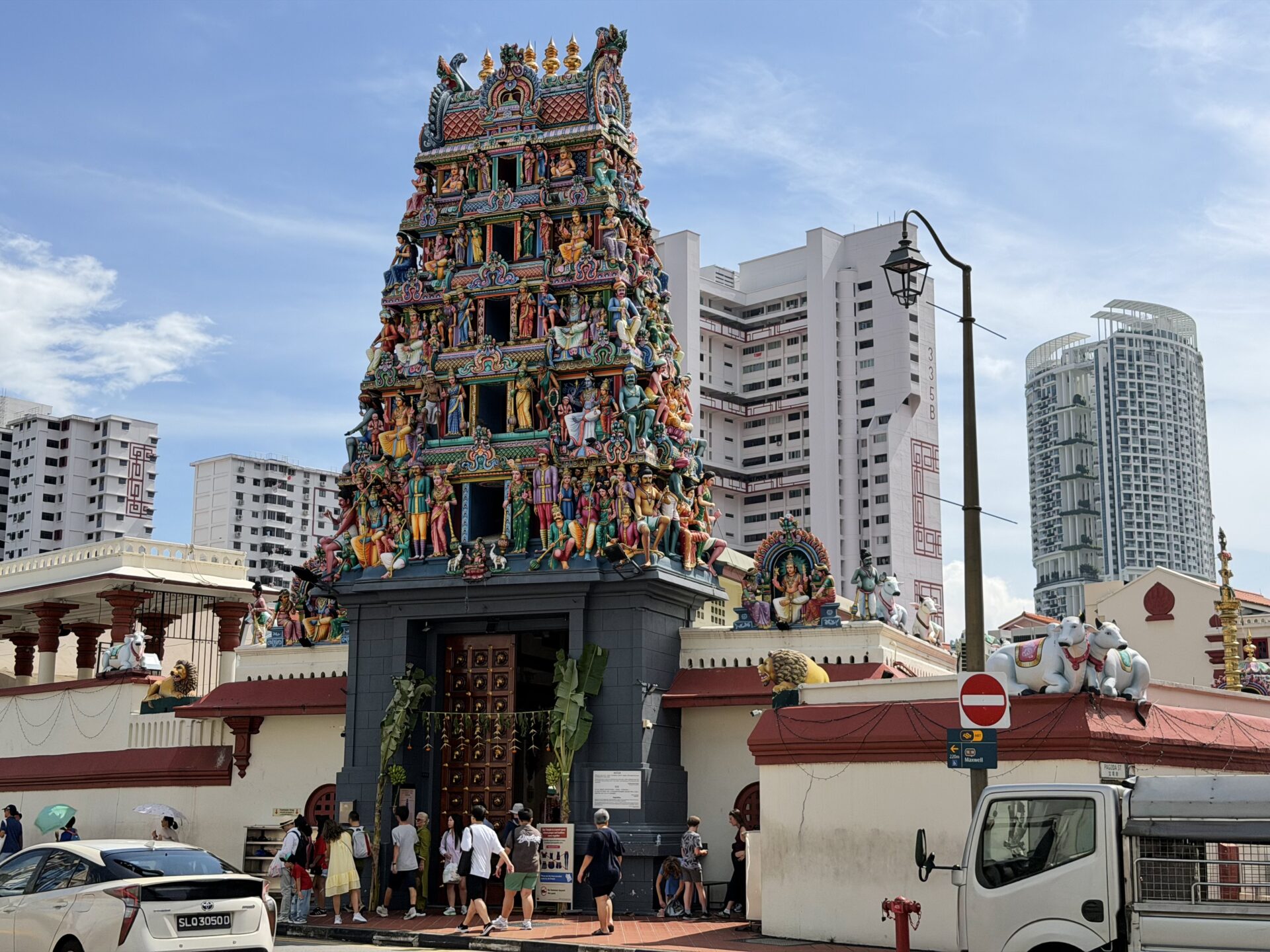
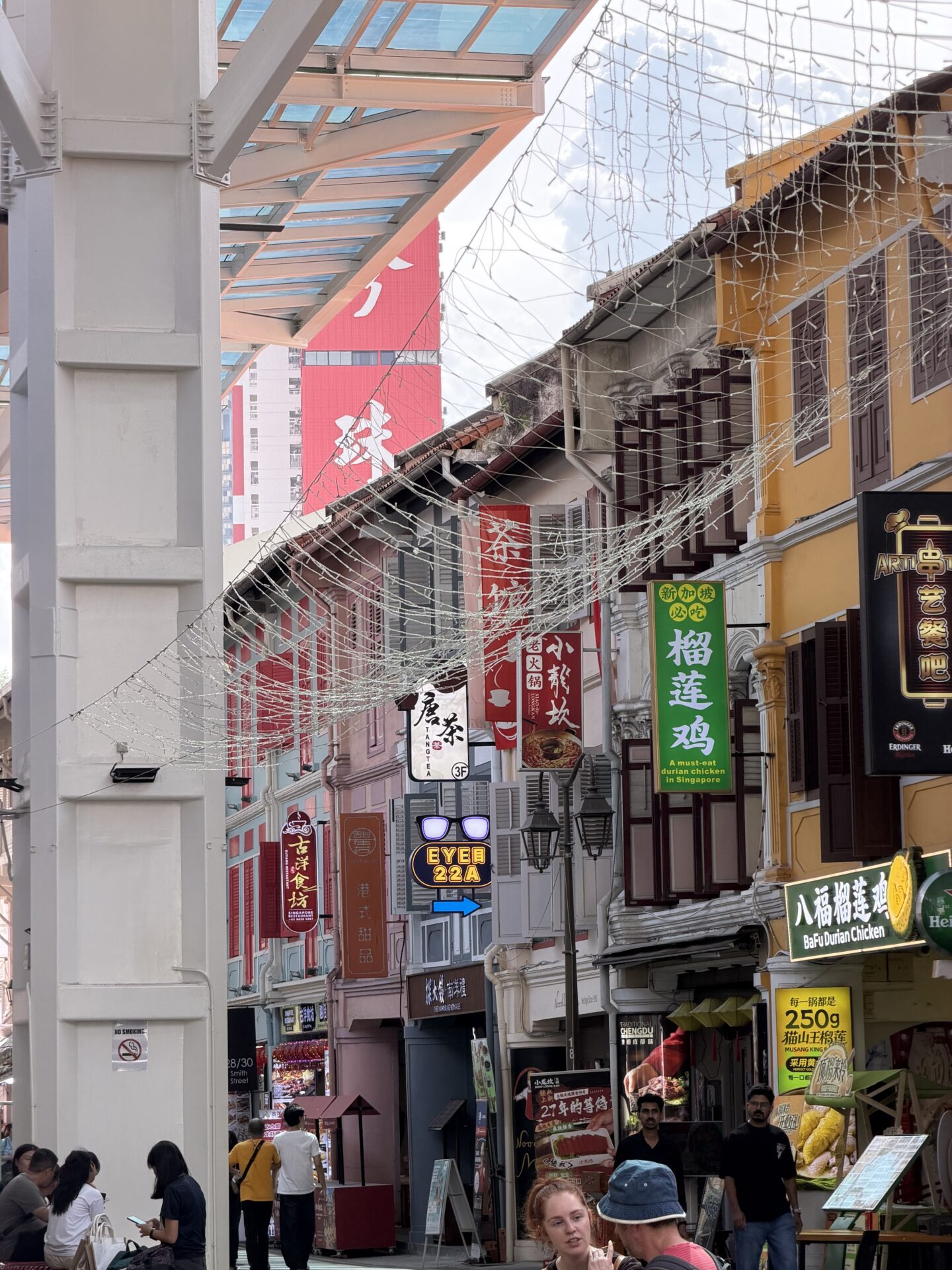
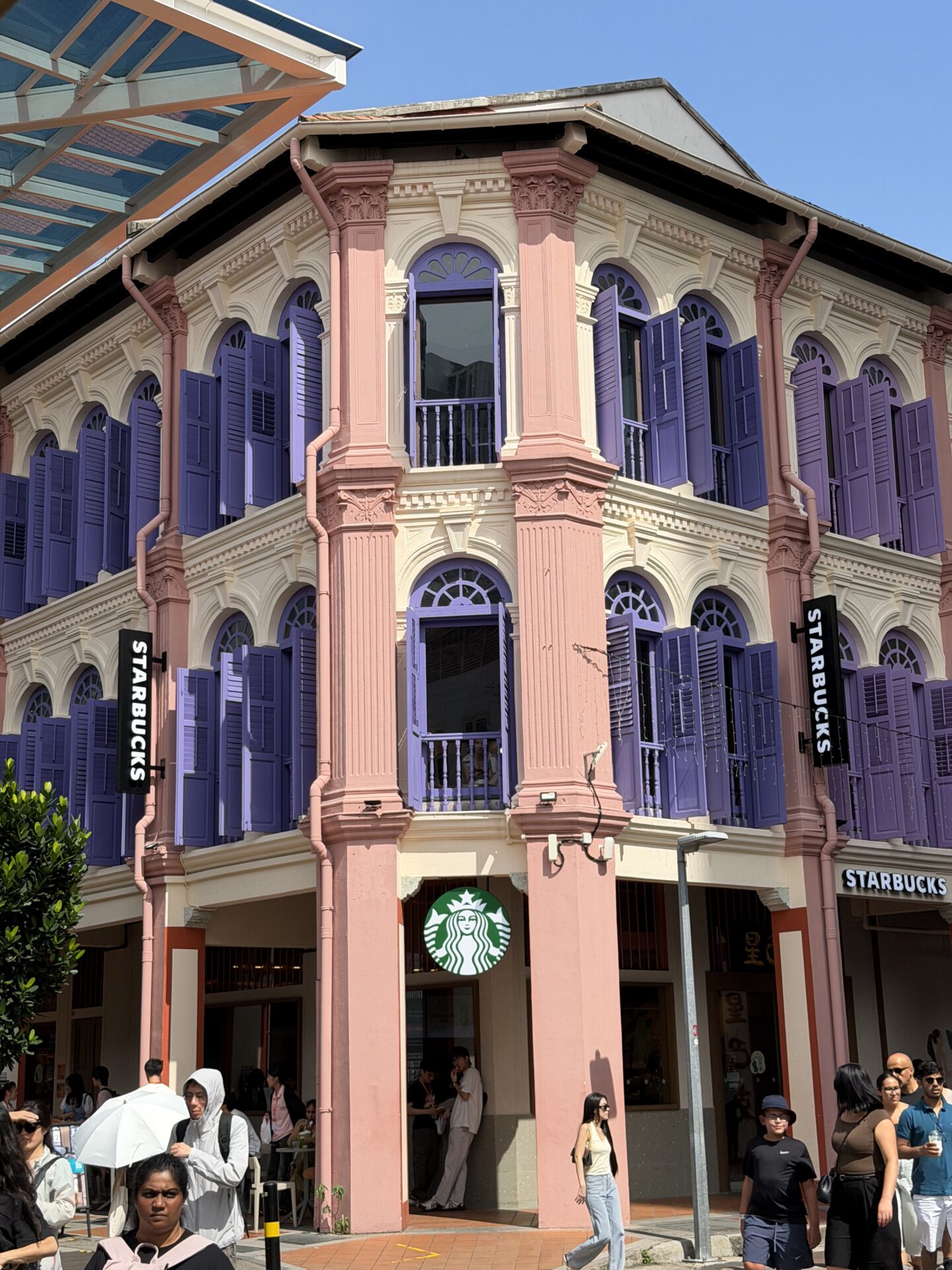
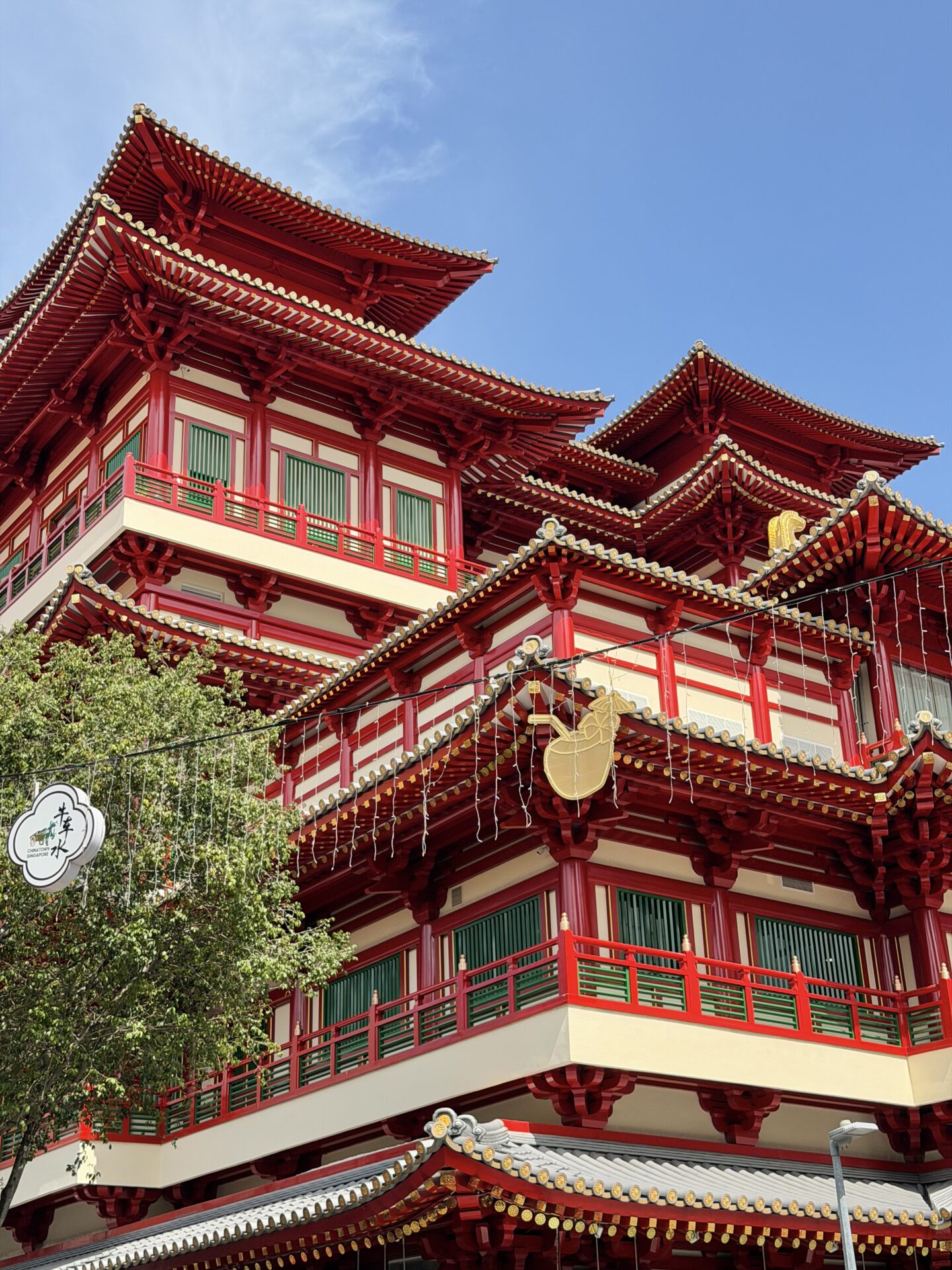
A colorful historic district of red lanterns, old shophouses, temples and some of the city’s best hawker centres. It’s also home to Sri Mariamman, Singapore’s oldest Hindu temple, with its brightly carved gopuram tower, and the Buddha Tooth Relic Temple. A great place to eat well for little money.
Kampong Glam and Haji Lane
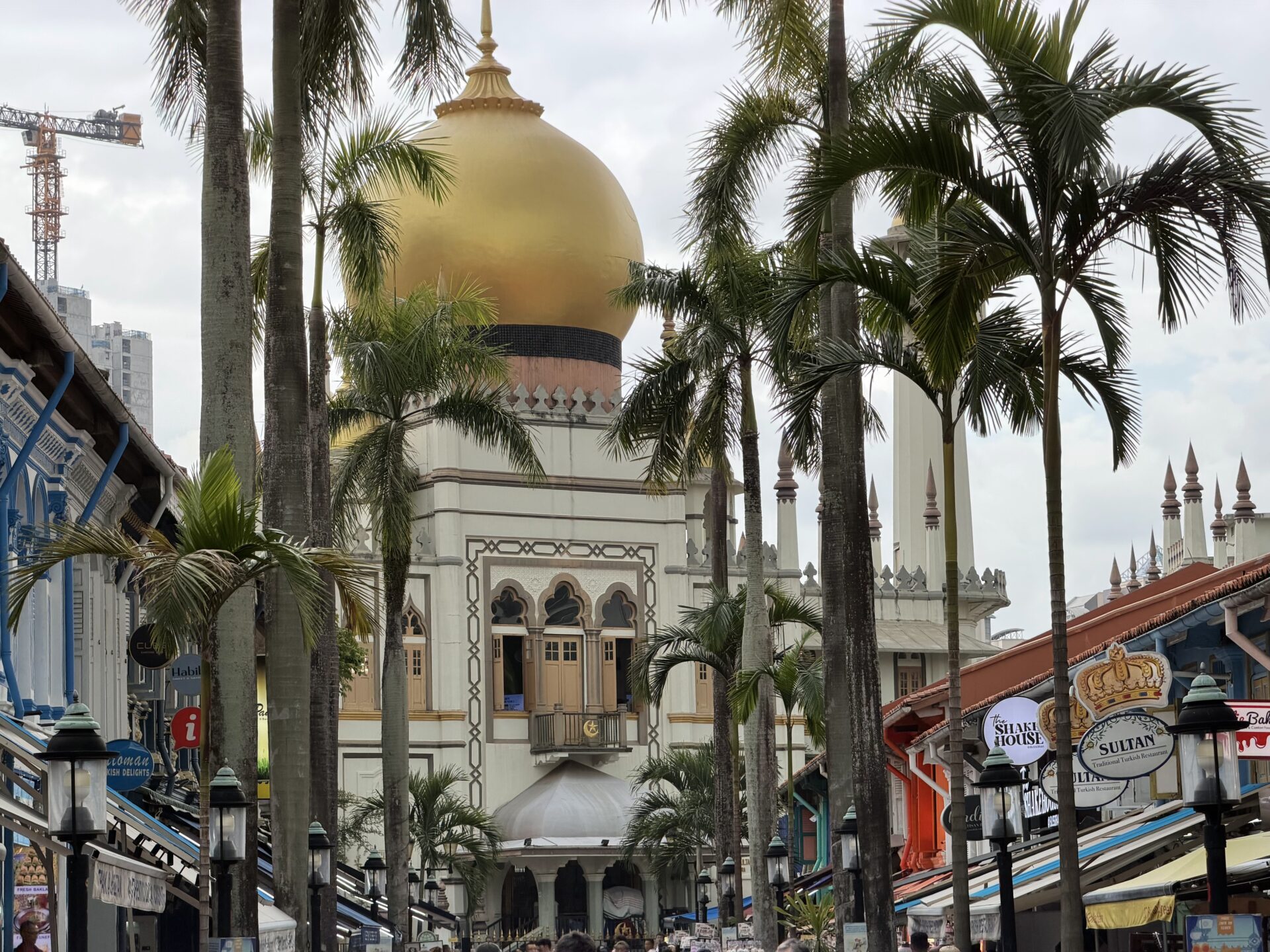
The Malay-Arab quarter around the golden-domed Sultan Mosque, with the city’s most photogenic street, Haji Lane: colorful facades, street art, indie shops and cafés. Perfect for a stroll and photos.
📍 Open in Google Maps · Sultan Mosque
Singapore Flyer
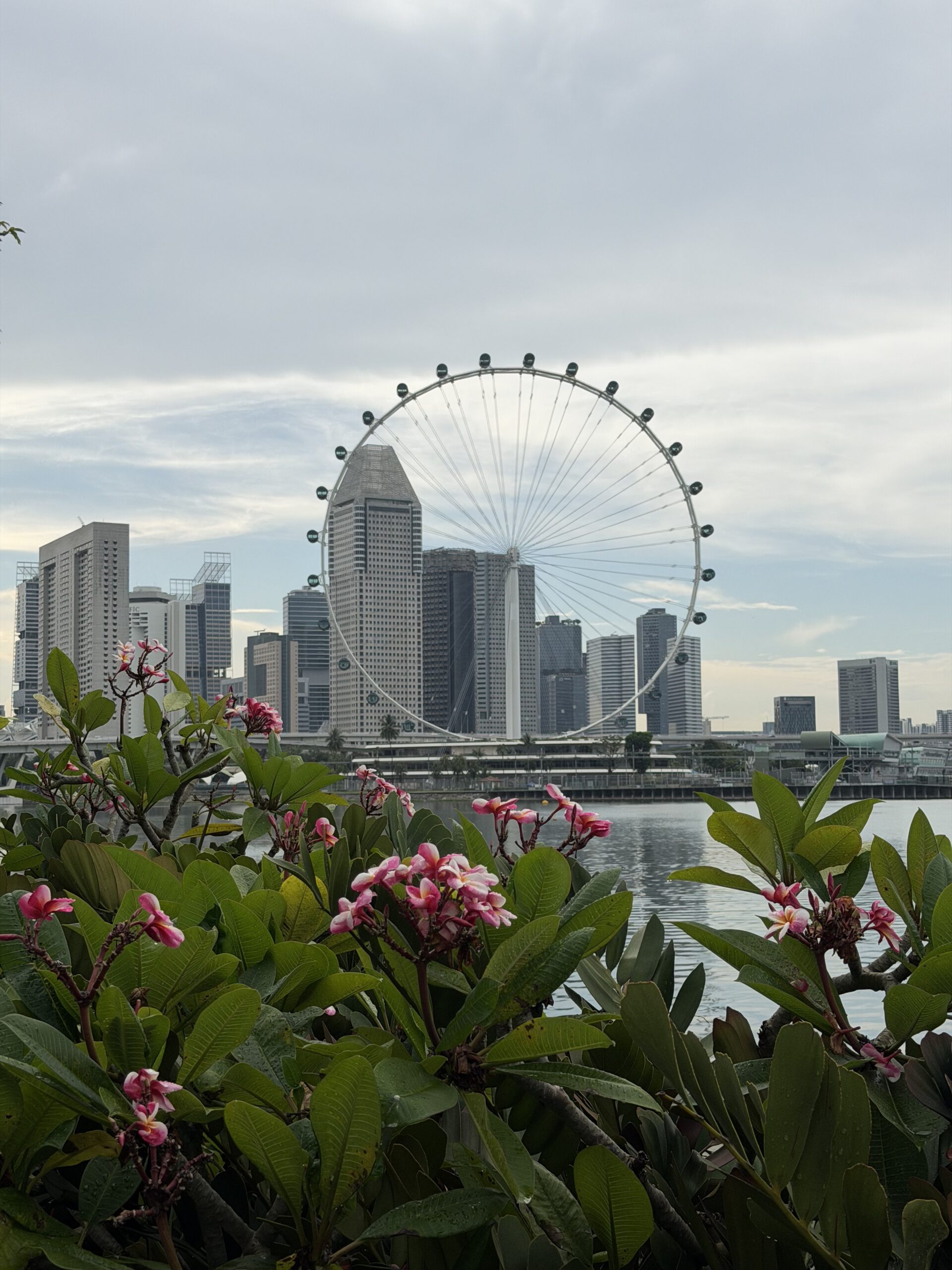
A 165-meter observation wheel with views over the whole city and the bay. One rotation takes about 30 minutes; tickets are around S$40. It’s most beautiful at sunset.
Fort Canning Park
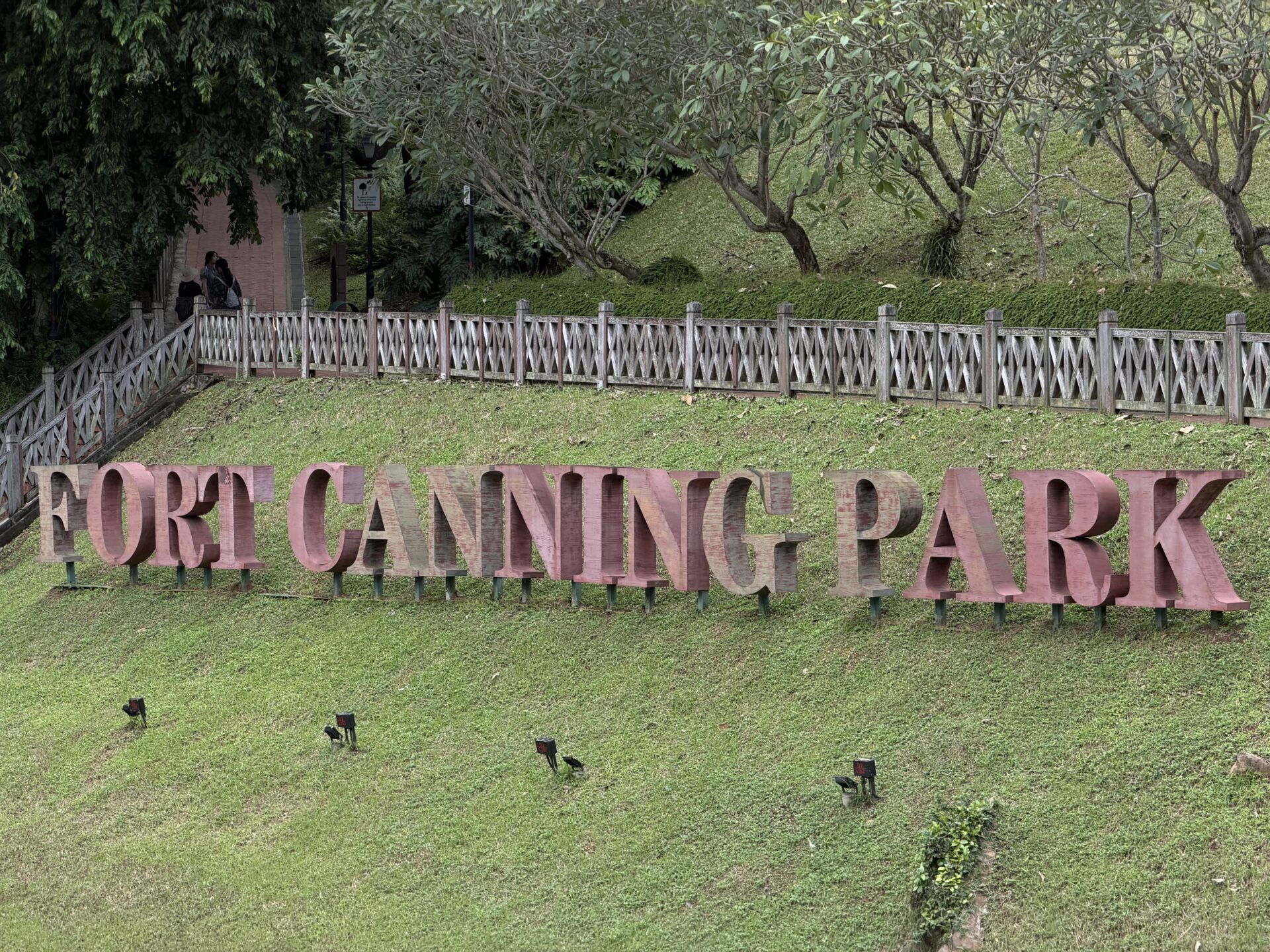
A green hill right in the city center and one of Singapore’s most photogenic spots. The big draw is the famous Tree Tunnel, a spiral staircase in a leafy shaft that you’ve probably seen on social media. Come early in the morning; later in the day there’s a queue for photos.
Beyond that, it’s a lovely shady walk: old trees, historic remains (this was once a fort and the residence of the colonial governors), lawns and city views. Free entry, open 24 hours. It combines well with Clarke Quay and the museum district nearby.
📍 Open in Google Maps · Tree Tunnel
Changi Airport and Jewel
The airport is an attraction in its own right: the Rain Vortex indoor waterfall at Jewel, gardens and much more. Get there early before your flight and have a look around.
Full list of places to visit in Singapore
For convenience, here’s everything worth seeing as a list, with map links:
Landmarks and views
- Merlion Park
- Gardens by the Bay
- Marina Bay Sands
- Singapore Flyer
- Spectra – A Light & Water Show
- Wings of Time (Sentosa)
- The Helix Bridge
- Fort Canning Park
- Esplanade – Theatres on the Bay
- Southernmost Point of Continental Asia (Sentosa)
- Marina Bay Street Circuit
Neighborhoods and streets
Temples and mosques
- Sri Mariamman Temple
- Sultan Mosque
- Thian Hock Keng Temple
- Buddha Tooth Relic Temple
- Sri Thendayuthapani Temple
Museums and history
- Malay Heritage Centre
- National Museum of Singapore
- Old Hill Street Police Station
- Raffles Hotel
- One Fullerton
Entertainment
5. A 3-Day Singapore Itinerary
Here’s how we’d split the places above into three days. Everything in the center is walkable, so each day is one compact area. Only have two days? Do days 1 and 2 and pick a few favorites from day 3.
Day 1: Marina Bay
- Afternoon: Merlion Park and the waterfront walk to Marina Bay Sands via the Helix Bridge
- Late afternoon: the Gardens by the Bay conservatories
- Evening: Garden Rhapsody at the Supertree Grove (7:45 pm), then Spectra over the bay at Marina Bay Sands
Day 2: Fort Canning, Chinatown and the river
- Early morning: the Tree Tunnel in Fort Canning Park, before the queue
- Late morning: Chinatown, with Sri Mariamman, the Buddha Tooth Relic Temple and Thian Hock Keng
- Lunch: Maxwell Food Centre
- Evening: dinner and drinks along Boat Quay and Clarke Quay
Day 3: Kampong Glam and city views
- Morning: Sultan Mosque and Haji Lane in Kampong Glam
- Afternoon: the National Museum or a walk along North Bridge Road and Orchard Road
- Sunset: the Singapore Flyer
- Alternative: spend the day on Sentosa (Universal Studios, the beaches and the Wings of Time show)
On departure day, leave time for Jewel at Changi Airport.
6. Build Your Own Day-by-Day Route in Minutes
Want a plan tailored to your hotel, your dates and your pace? Try our free AI travel planner. It works right in the browser:
- Paste the places from this guide (or the whole article) into the chat.
- Tell it how many days you have, who you’re traveling with and what you like. Add your hotel so each day starts and ends there.
- Get a ready day-by-day itinerary with times, the order of places and what to see. You can ask it to change any day.
Prefer to start from a blank plan? Use the travel itinerary maker.
7. Good to Know Before You Go
- Strict laws and fines. Singapore is famous for order: heavy fines for littering, smoking outside designated areas, eating or drinking on the MRT and jaywalking. Bringing chewing gum in for sale is banned. Behave accordingly.
- Drugs carry the death penalty. This is not an exaggeration; the laws are extremely strict.
- Heat and humidity. It’s around 30 °C (86 °F) and very humid all year. Carry water, wear light clothes and duck into air-conditioned malls and the MRT at midday. Short tropical downpours are common, so carry an umbrella.
- Language. English is an official language and everyone speaks it.
- Power sockets. British-style Type G (three flat pins). Bring an adapter if you need one.
- Water. Tap water is safe to drink.
Pre-Trip Checklist
- Check whether your passport needs a visa on the ICA website (or whether you qualify for the 96-hour VFTF)
- Make sure your passport is valid for at least 6 months
- Book your hotel (you need the address for the arrival card)
- Fill in the SG Arrival Card within 3 days of arrival, for free, on the official ICA site only
- Get an eSIM and travel insurance
- Bring a card without foreign transaction fees and a little cash
FAQ
Do I need a visa to travel to Singapore?
Most travelers don’t: citizens of the US, UK, EU, Australia and many other countries can stay 30 or 90 days visa-free. Everyone needs a passport valid for 6+ months and an SG Arrival Card. Check your nationality on the ICA website.
How many days in Singapore is enough?
Three days covers the main sights comfortably; two days is enough for the highlights around Marina Bay, Chinatown and Kampong Glam.
Is Singapore expensive to visit?
Yes, it’s one of the priciest cities in Asia. Budget about S$300 (≈ US$230) a day for two, including a mid-range hotel. Hawker centres and the MRT keep costs down.
Where is the best area to stay in Singapore for first-timers?
The central area between Kampong Glam, Bras Basah, Clarke Quay, Chinatown and Marina Bay. Most sights are walkable from there.
Singapore’s visa and transit rules change from time to time. This information is accurate at the time of publication, but always double-check the requirements on the official ICA website right before your trip.
Heading on to Bali like we did? Check out our Nusa Penida guide and our 2-day Bukit route.
And follow us for more Southeast Asia travel inspiration: