
When to Visit Japan | What to See by Season, Weather, Prices
Japan has four clearly defined seasons: cherry blossoms in spring, maple leaves in autumn, beaches in summer, and snowy resorts in winter.
Let’s break it down in detail:
- when is the best time to visit Japan overall
- what to see in different seasons
- when it is cheaper to travel
- what the weather is like and what to wear
When Is the Best Time to Visit Japan Overall?
Of course, it depends on what you want to see in Japan, but most people plan their trip for spring to see cherry blossoms or autumn to see maple leaves. Both seasons are also the most comfortable in terms of weather.
But you should understand that the whole world plans the same way, so there will be a lot of tourists. That is why it can be worth considering transition periods: from winter to spring, from spring to summer, and so on.
Briefly:
- If you want the most budget-friendly trip, choose January–February
- For nature and sightseeing, spring and autumn are the best
- For a beach holiday, July and August are better
But this is a very simplified overview. Below, we’ll look at each season and its details more deeply.
Spring | Cherry Blossoms, Parks, Walks, Beauty
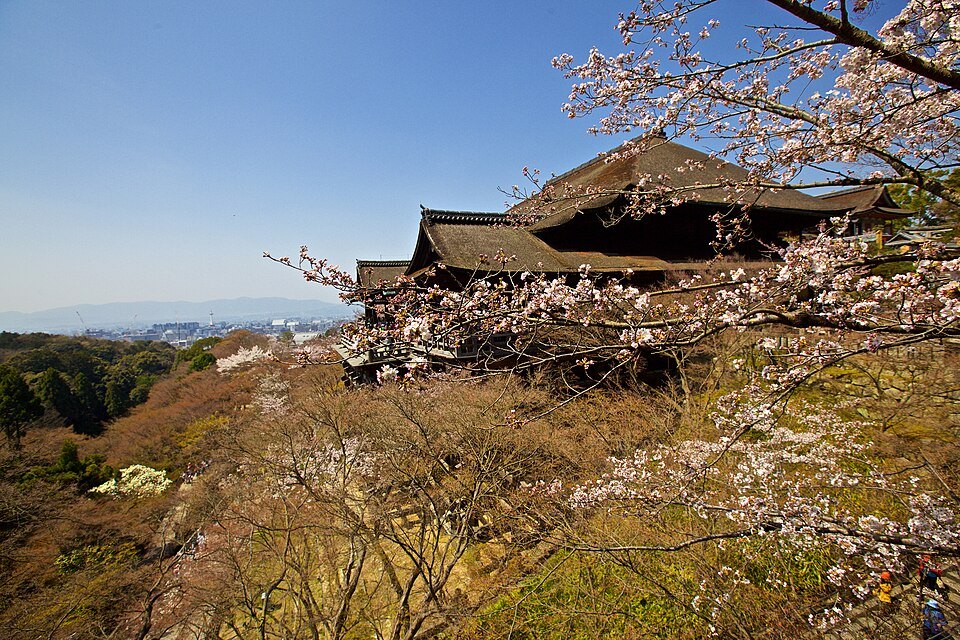
This is the main tourist season. Many travelers come for cherry blossom season, to see beautiful parks and walk around in comfortable temperatures of about +10…+20°C. Check the weather for your dates in advance and bring something warm just in case. Also, during the blooming season there is a lot of pollen in the air, so keep this in mind if you have seasonal allergies.
The downsides:
- crowds of tourists from all over the world
- prices are higher than usual
Important! Local holidays:
Golden Week starts on April 29, and this is when transport becomes heavily overloaded. Japanese people actively start traveling from this date. The peak is from May 3 to May 5 — this is when crowds and prices are at their highest. The neighboring dates, from April 30 to May 2, are also busy because many people take extra days off and turn the whole period into a full 7–10 day vacation.
During this period, infrastructure works at its limit. Trains are often fully booked. Hotels are either unavailable or much more expensive than usual. Popular tourist spots are overcrowded. Domestic flights also become more expensive and sell out quickly.
From a trip-planning point of view, it is better to avoid the period from April 29 to May 5. A wider potentially problematic range is April 27 to May 6. The most comfortable dates for travel are before April 25 or after May 10, when tourist pressure drops noticeably.
When Cherry Blossoms Bloom
The best way to track cherry blossom blooming is this website: https://sakura.weathermap.jp/en.php. It has both a general map and maps for cities and even districts inside each city. I highly recommend using it if cherry blossoms are an essential part of your trip.
For reference, here is the 2026 forecast for the start of blooming (weathermap, updated March 30, 2026):
- Nagoya — March 17
- Tokyo — March 19
- Fukuoka — March 24
- Osaka — March 26
- Sendai — March 31
- Niigata — April 1
- Sapporo — April 19
Full bloom usually comes about a week after the first flowers. Dates shift every year, so check the current forecast on the site above before your trip.
Summer | Okinawa, Mount Fuji, Festivals
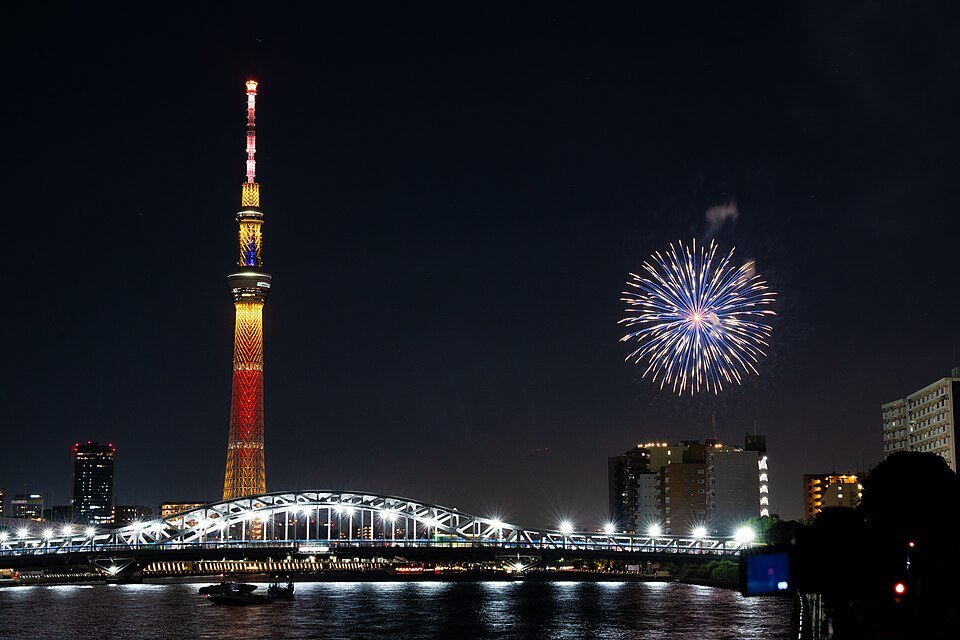
Summer lasts roughly from June to early September. The key feature is not only the temperature but also the humidity. In Tokyo, Kyoto, and Osaka, July–August temperatures are usually around +30…+35°C, but because of the humidity it can feel like +40°C.
June is the rainy season, known as tsuyu. It does not rain nonstop, but cloudy skies and humidity strongly affect the travel experience. In August–September, typhoons are added to the picture, especially in the south, including Okinawa.
At the same time, Japan’s infrastructure is well adapted: air conditioning is everywhere, transport is convenient, and there are many places to hide from rain. So you can travel in summer, but it is important to choose the right format.
Okinawa
Okinawa is basically a different climate region. It is often called the “Japanese Hawaii”.
What matters here:
- turquoise water and white sand
- great conditions for snorkeling and diving
- a tropical feeling rather than “classic Japan”
But there are nuances:
- peak heat and humidity
- typhoon season, especially in August
- strong sun — without protection it can be difficult
The ideal format is a short 2–3 day trip for beaches and the sea, not a long stay.
Festivals (Matsuri)
Summer is matsuri season, and this is one of the strongest reasons to visit Japan during this period.
The most famous ones:
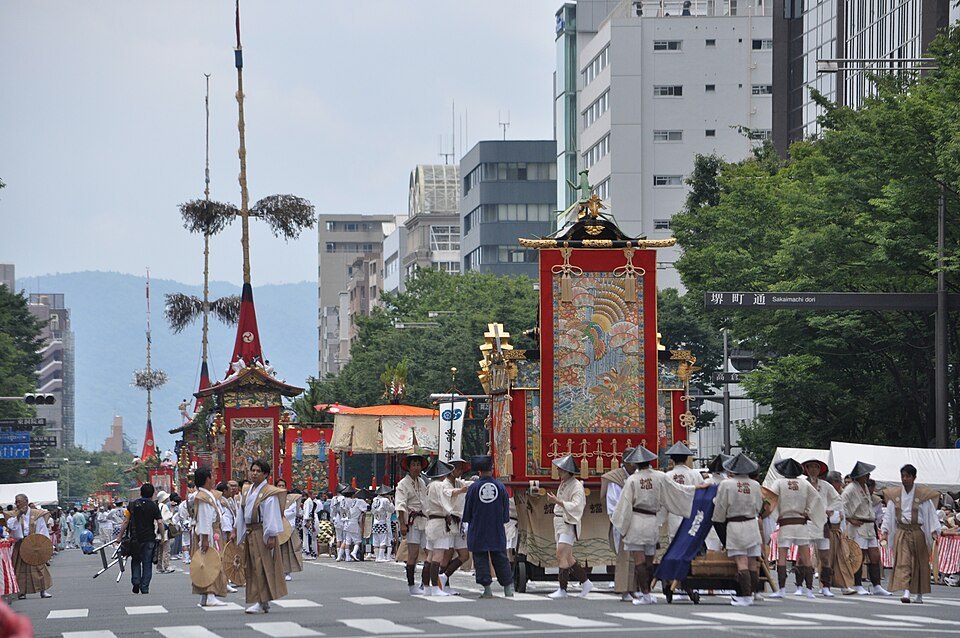
- Gion Matsuri (July, Kyoto) — a huge historic festival with processions
- Sumida River Fireworks Festival (July, Tokyo) — large-scale fireworks
- Awa Odori (August) — a dance festival
What is important: these are not “tourist shows”, but real city events. People go out in yukata, streets are filled with food, lanterns, and movement. But along with this come huge crowds.
Climbing Mount Fuji
Mount Fuji is officially open for climbing only in summer — usually from early July to early September.
This is a unique activity that cannot be done in other seasons. The most popular scenario:
- climbing at night
- watching the sunrise from the summit
But:
- there are a lot of people, sometimes literally a queue on the trail
- it is physically demanding
- basic preparation is required
When Summer Is Not the Best Choice
Summer is not ideal if you:
- do not tolerate heat and humidity well
- want to walk around cities comfortably all day
- plan intensive sightseeing, such as Kyoto, Nara, or Tokyo on foot
In these scenarios, spring and autumn are objectively better.
Summer in Japan is not about comfort, but about events and atmosphere. It is a season of contrasts: on one side, heat, humidity, and typhoons; on the other, festivals, nightlife, the sea, and unique activities like climbing Mount Fuji.
If you plan the route correctly, for example cities + festival + 2–3 days in Okinawa, the trip can be very powerful. But if you go “just to see Japan” without considering the climate, there is a risk of quickly burning out from the conditions.
Autumn | Maple Leaves, Walks, Parks, Beauty
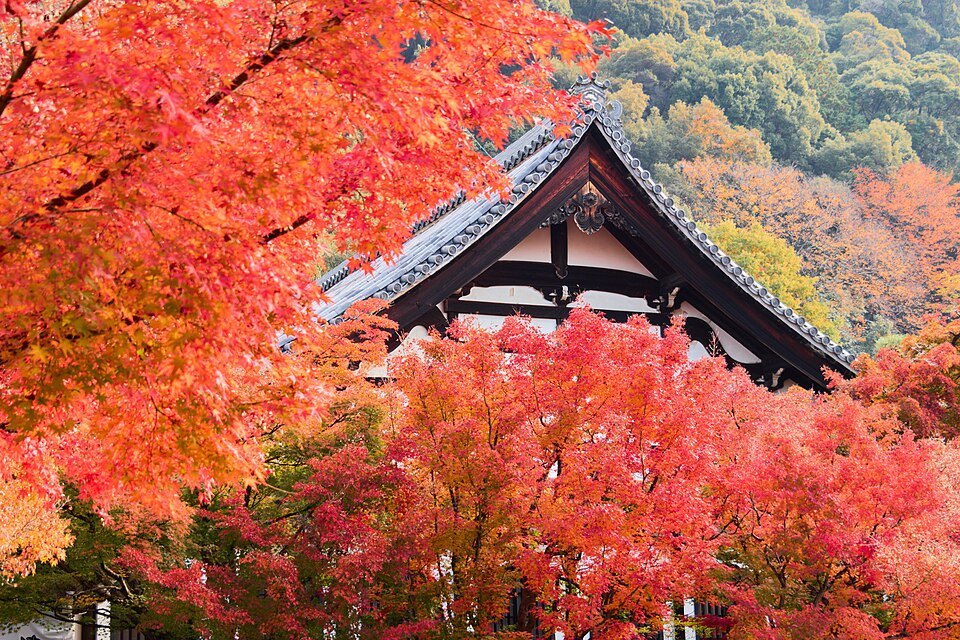
In autumn, Japan’s parks, mountains, and temples turn deep red, orange, and gold. This season is called momiji — the period when Japanese maple leaves reach their peak color. In scale and beauty, it can be compared to cherry blossom season, but it feels calmer and more “mature”.
The main advantage of autumn is predictability. Unlike cherry blossoms, which bloom for a very short time and strongly depend on weather changes, autumn leaves last longer and the season itself is more stretched out. This reduces the risk of missing the peak and makes the trip easier to plan.
You can track autumn foliage dates here: https://n-kishou.com/corp/news-contents/autumn/?lang=en. There is no 2026 information yet, but you can use the 2025 data as a reference.
Japan Meteorological Corporation forecast for 2025 (issued November 4, 2025), best viewing dates:
Yellow leaves (ginkgo)
- Sapporo — November 5
- Nagoya — November 20
- Osaka — November 26
- Tokyo — November 27
- Sendai — November 30
- Fukuoka — December 1
Red leaves (maples)
- Sapporo — November 5
- Sendai — November 27
- Tokyo — December 2
- Nagoya — December 5
- Osaka — December 7
- Fukuoka — December 12
The weather during this period is considered among the most comfortable of the year. In October, temperatures usually stay around +18…+22°C, and in November around +12…+18°C. There is no summer humidity, exhausting heat, or winter cold. Autumn is suitable both for long walks around cities and for trips between regions, trekking, and nature sightseeing. This makes it an optimal season for sightseeing travel.
It is also worth mentioning tourist pressure. In autumn, Japan has noticeably fewer international tourists compared to the spring cherry blossom period. You can feel this in queues, hotel availability, and the overall atmosphere. At the same time, the country looks no less impressive visually, and in some locations even more expressive because of the depth of colors and soft light.
Speaking of specific months, October is good for calmer trips with mild weather and a gradual transition into autumn colors. November is the peak season, when maple leaves reach their strongest colors. In central Japan, including Kyoto and Tokyo, November is considered the best time to enjoy autumn.
As with cherry blossoms, the autumn season moves gradually across the country from north to south. In Hokkaido, colors start changing at the end of September; in Tokyo, closer to the end of October; and in Kyoto and Osaka, the peak is usually in November. This gives you a chance to “catch” the season if you build your route correctly.
Autumn still has nuances: prices can rise during the peak, and popular spots still attract tourists. However, overall this season offers a much more balanced experience. Comfortable weather, high visual value, and a calmer atmosphere make it one of the most rational choices for a trip.
As a result, autumn in Japan is not just an alternative to spring, but a full competitor. For many travelers, November becomes the perfect moment when the country opens up in its most harmonious form.
Winter | Onsens, Ski Resorts, Festivals
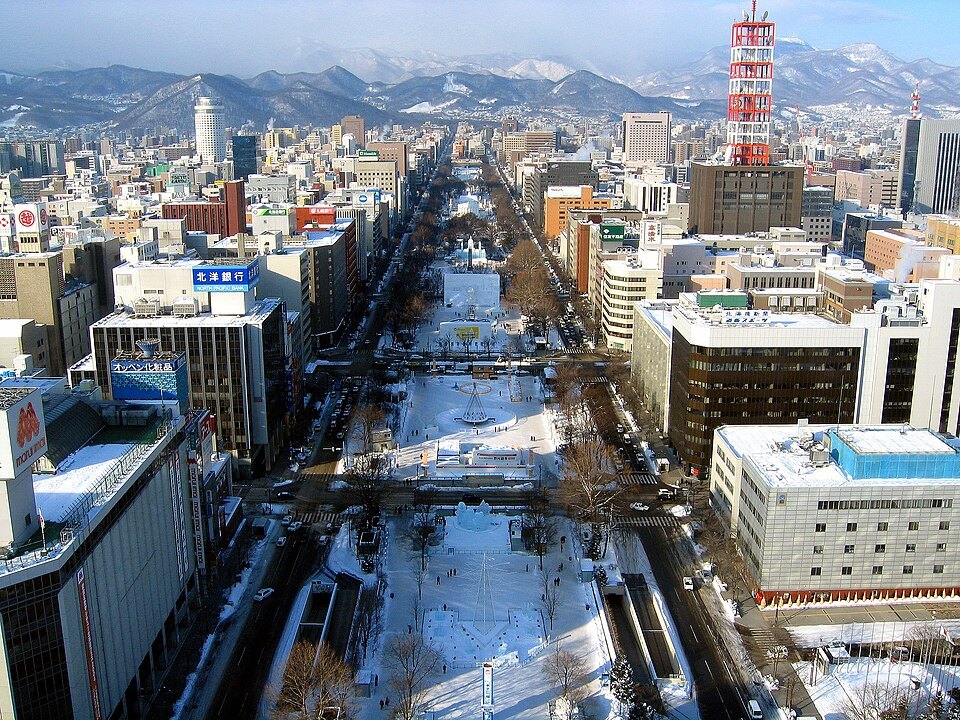
Winter in Japan is often underestimated compared to cherry blossoms and autumn maples. But this season gives a completely different experience — calmer, more atmospheric, and often more affordable. At this time, the country becomes less touristy, and familiar places open up from a new side.
The key advantage of winter is the price. After the New Year holidays, the flow of tourists drops sharply, and airfare and accommodation prices become some of the lowest of the year. January and February are optimal months if your goal is to save money without losing the quality of impressions.
Weather conditions strongly depend on the region. In Tokyo and Kyoto, winter is mild and dry: temperatures usually stay around +5…+12°C, and snow is rare. This allows you to walk around cities and see attractions comfortably, without heat and humidity.
In the north, the situation is different. Hokkaido is already real winter: cold, snow, and a completely different visual experience. This is where one of the strongest winter travel scenarios in Japan appears.
Ski Resorts
Winter is the ski resort season. Niseko and other areas of Hokkaido are known for their powder snow, which is considered some of the best in the world.
Even if skiing is not the goal of your trip, the atmosphere of snowy mountains and small resort towns makes this region unique.
Onsens — the Key Winter Experience
A separate layer of winter travel in Japan is onsens, traditional hot springs. Bathing in outdoor hot pools with snow around you is one of the most characteristic Japanese experiences.
In winter, this contrast feels especially strong and often becomes one of the most memorable moments of the trip.
Festivals and Events
Major events take place in winter. The most famous one is the Sapporo Snow Festival, where large ice and snow sculptures are created.
This is an international event, and many people plan a trip specifically for February because of it.
Season Features
It is important to understand that winter is not the season of Japan’s “classic picture”. There are no blooming cherry blossoms or bright maple leaves, and landscapes in the central part of the country look more restrained.
But this is exactly its value: less visual noise, more space, and a feeling of real, non-touristy Japan.
When Winter Is a Good Choice
Winter is good for city routes, food-focused trips, visiting onsens, and traveling to the north of the country. It is also a good option for a repeat visit, when the main attractions have already been seen and you want a deeper experience.
Winter in Japan is a balance of price, comfort, and atmosphere. If your goal is to save money, avoid crowds, and see the country at a calmer pace, this season becomes one of the most rational options.
Frequently Asked Questions
- When is the best time to visit Japan for sightseeing?
The best periods are March–May and October–November. During these months, the temperature is comfortable, there is no extreme heat or heavy rain, and the landscapes are at their most beautiful: cherry blossoms in spring and maple leaves in autumn.
- When should you visit Japan for cherry blossoms?
The main period is from late March to early April. Dates change every year, so it is important to track the forecast. It is better to book the trip in advance, about 3–6 months ahead.
- What to see in Japan in March and April?
In March, cherry blossoms start blooming in Tokyo, and parks gradually fill with flowering trees. In April, the peak arrives: in Kyoto, the Philosopher’s Path is popular, and in Osaka, the castle and cherry blossom parks are worth visiting.
- What to do in Japan in May?
May is a great time for nature. It is a good period for a trip to Mount Fuji and national parks: the weather is stable, the greenery is bright, and there are fewer tourists. But it is important to travel after May 10 to avoid the biggest local holidays, when everything is extremely busy.
- What to see in Japan in autumn?
In October–November, Japan turns red and gold. In Kyoto, there are maple leaves and temples; in Tokyo, parks and gardens. It is one of the most beautiful seasons.
- What to do in Japan in winter?
In February, the Sapporo Snow Festival takes place. Winter is also good for onsens, food trips, and ski resorts in Hokkaido.
- When is the best time to visit Japan for a vacation?
April and November are considered optimal months because they combine good weather, prices, and impressions.
- What is the best season to travel to Japan?
Spring and autumn are the most balanced seasons in terms of climate and visual experience.
- When should you visit Japan for the first time?
The best choice is cherry blossom season or autumn maple season, so you can see Japan in its most recognizable images.
- When is it cheaper to visit Japan?
The lowest prices are usually in winter, especially January–February, and during the rainy season in June. There are fewer tourists during these periods.
- When is the best time to visit Japan without crowds?
May after Golden Week and October are optimal periods in terms of weather and crowd levels.
- When should you visit Japan for beaches?
August is suitable for a trip to Okinawa: the sea is warm and the beach season is active, but you should keep heat and humidity in mind.