
Best Areas to Stay in Japan | Tokyo, Kyoto & Osaka Hotel Guide
Choosing the right neighborhood is not just about finding a place to sleep. In Japan, your hotel location can significantly affect your entire travel experience: how much time you spend commuting, how comfortable you feel in the evenings, how much you spend on transportation, and ultimately what impression the city leaves on you.
Japanese cities can feel completely different depending on the area you stay in. That’s why it’s important not only to choose the right hotel, but also the right neighborhood.
How to Think About Choosing a Neighborhood
Before looking at specific cities, it’s important to understand the basic logic.
Japan revolves around its railway network. This is the single most important factor when choosing where to stay. A neighborhood is not good because it’s beautiful — it’s good because it connects efficiently to the places you want to visit.
There are three main types of neighborhoods:
1. Transportation Hubs
Areas around major train stations. These are ideal if you plan to move around frequently. The downside is usually higher prices and more noise.
2. Tourist Areas
Lots of attractions, restaurants, and atmosphere. Beautiful and exciting, but not always the most convenient for transportation.
3. Residential Areas
Quieter, more authentic, and often more affordable. However, you’ll spend more time commuting.
The best choice is usually a balance between convenience, atmosphere, and budget.
Tokyo: Where to Stay and Why
Tokyo is enormous, so choosing the right area is especially important.
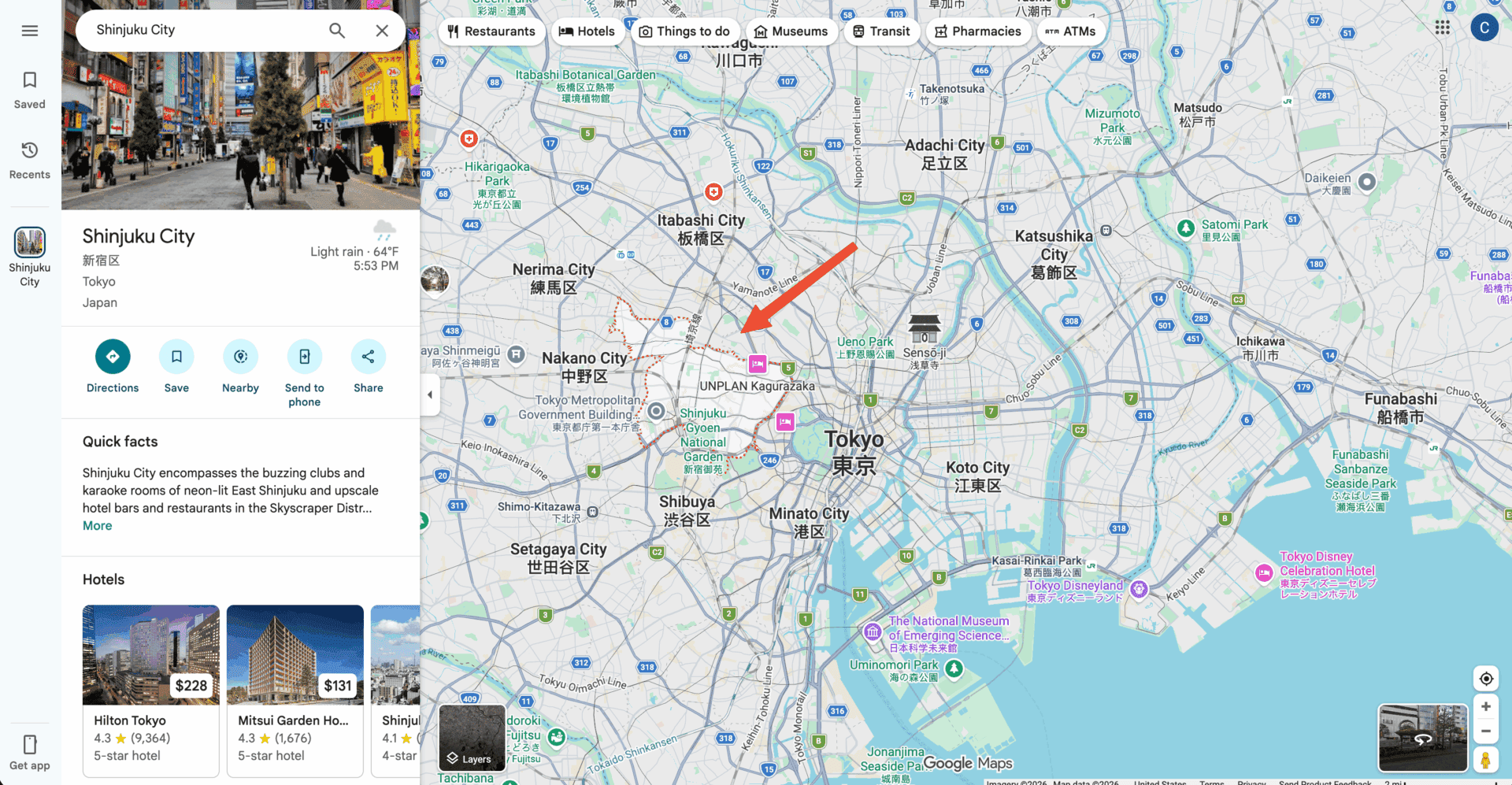
Shinjuku
One of the best all-around choices. Shinjuku is Tokyo’s largest transportation hub, making it easy to reach almost any part of the city and even destinations outside Tokyo.
The trade-off is that it can be noisy, especially at night, as parts of Shinjuku are known for nightlife and entertainment.
Best for:
Travelers who value convenience and don’t mind a busy urban atmosphere.
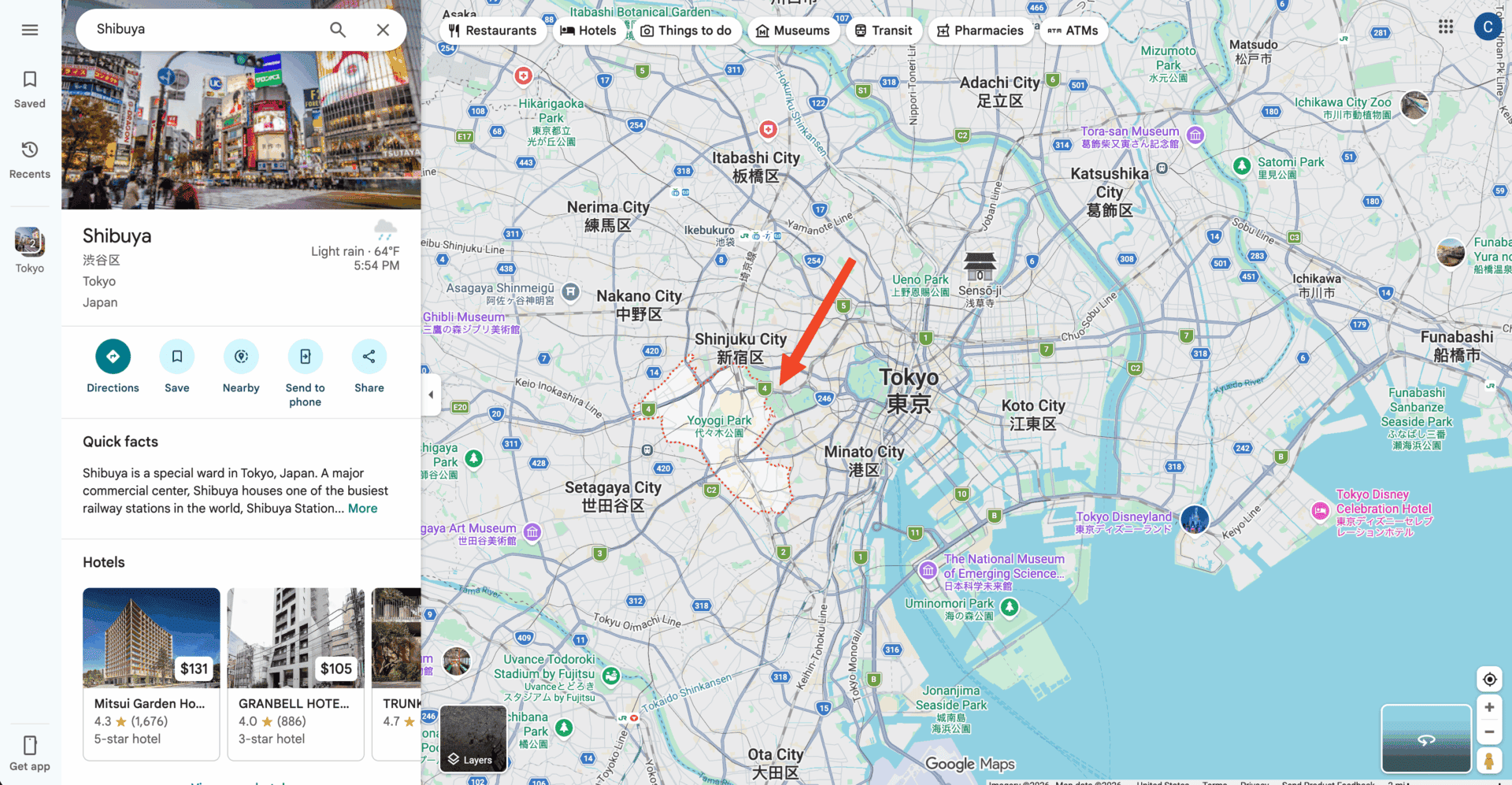
Shibuya
A younger, more energetic part of Tokyo. Shibuya offers excellent shopping, restaurants, nightlife, and city atmosphere.
Transportation is slightly less convenient than Shinjuku, but still excellent.
Best for:
Travelers who want to experience Tokyo’s vibrant urban lifestyle.
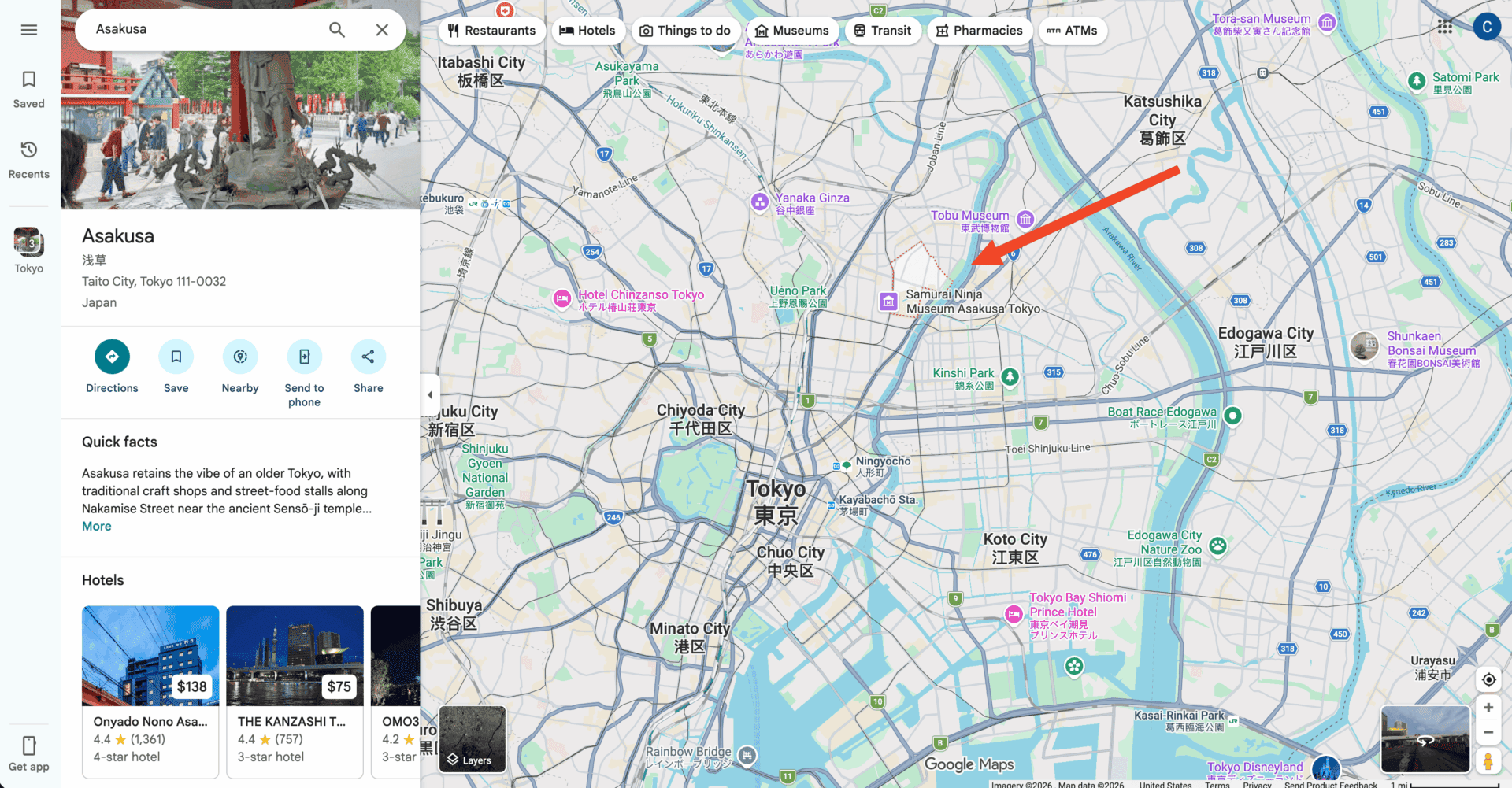
Asakusa
A completely different side of Tokyo. More traditional, quieter, and often more affordable. You’ll find historic streets, temples, and a distinctly Japanese atmosphere.
The downside is that some major attractions will require longer travel times.
Best for:
Travelers looking for a more traditional Japanese experience.
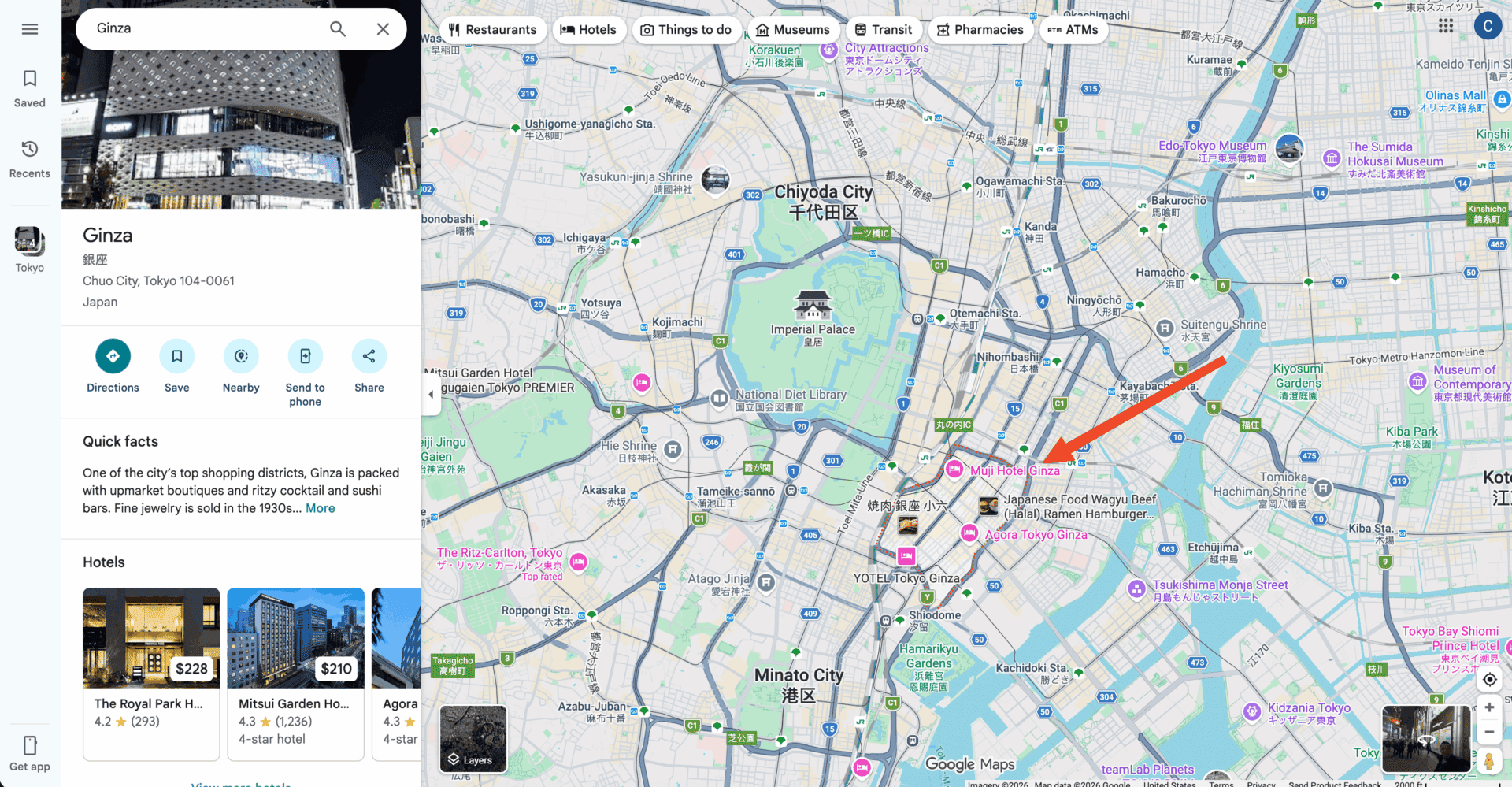
Ginza
An upscale district known for luxury shopping, fine dining, and a polished atmosphere. It is centrally located but generally more expensive than other areas.
Best for:
Travelers seeking comfort, luxury, and premium services.
Kyoto: Best Areas to Stay
Kyoto is more about atmosphere than transportation, but location still matters.
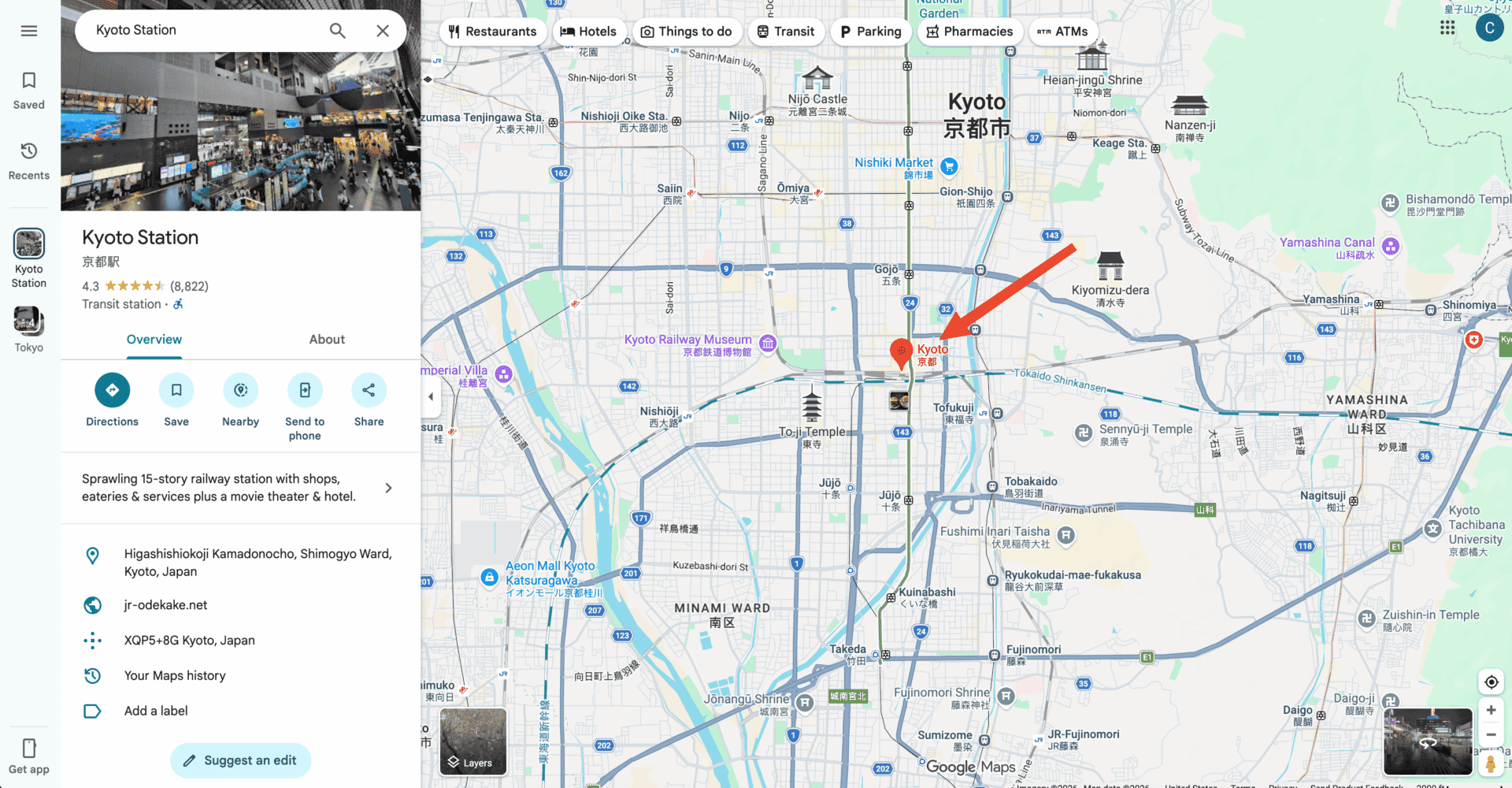
Kyoto Station Area
The most practical option. You’ll have excellent access to Kyoto attractions as well as nearby cities such as Osaka and Nara.
The area is highly convenient but less traditional in character.
Gion
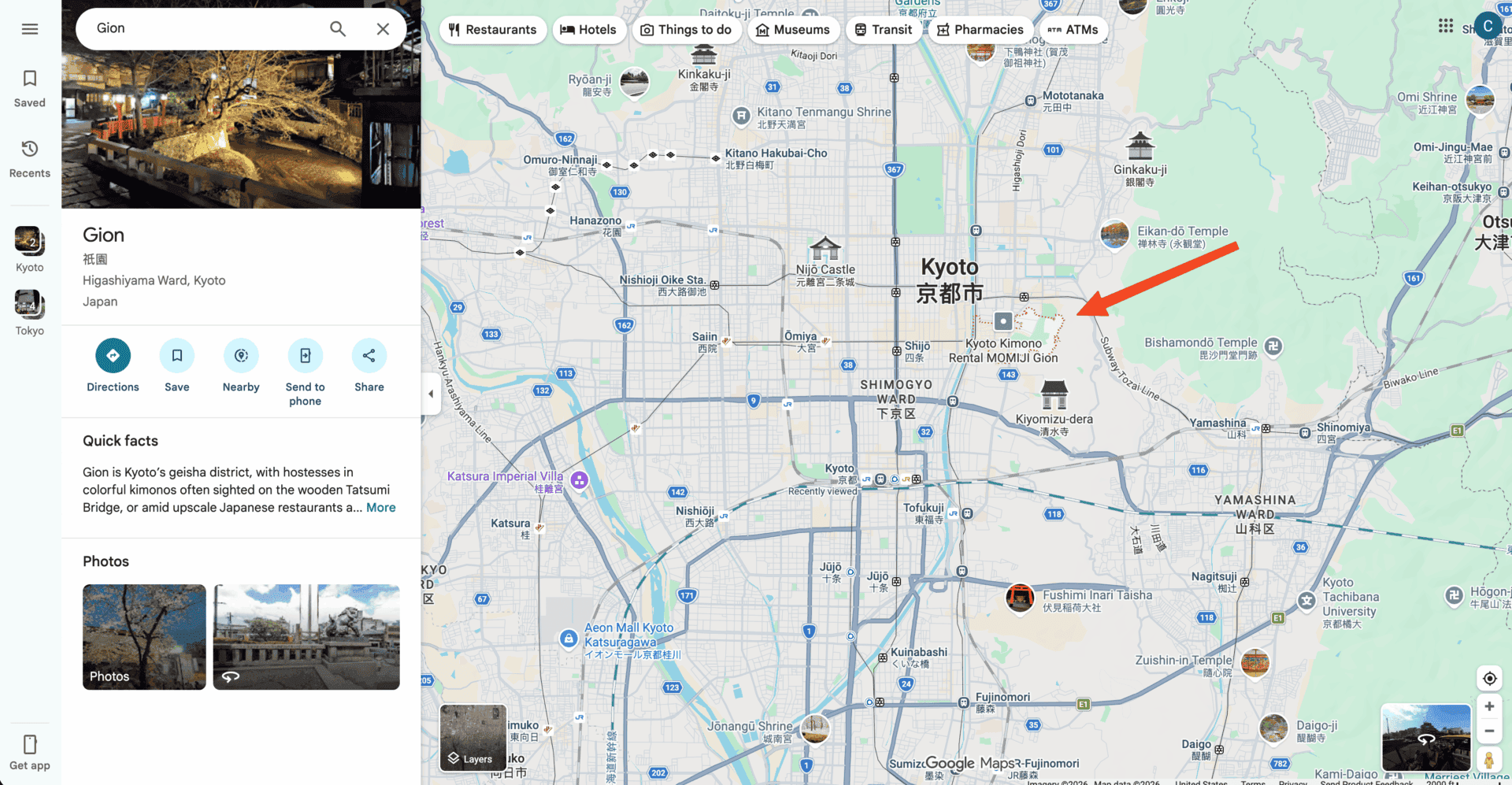
This is the Kyoto most travelers imagine. Traditional streets, historic buildings, lantern-lit alleys, and classic Japanese atmosphere.
Beautiful, especially in the evening, but generally more expensive and less convenient for transportation.
Kawaramachi
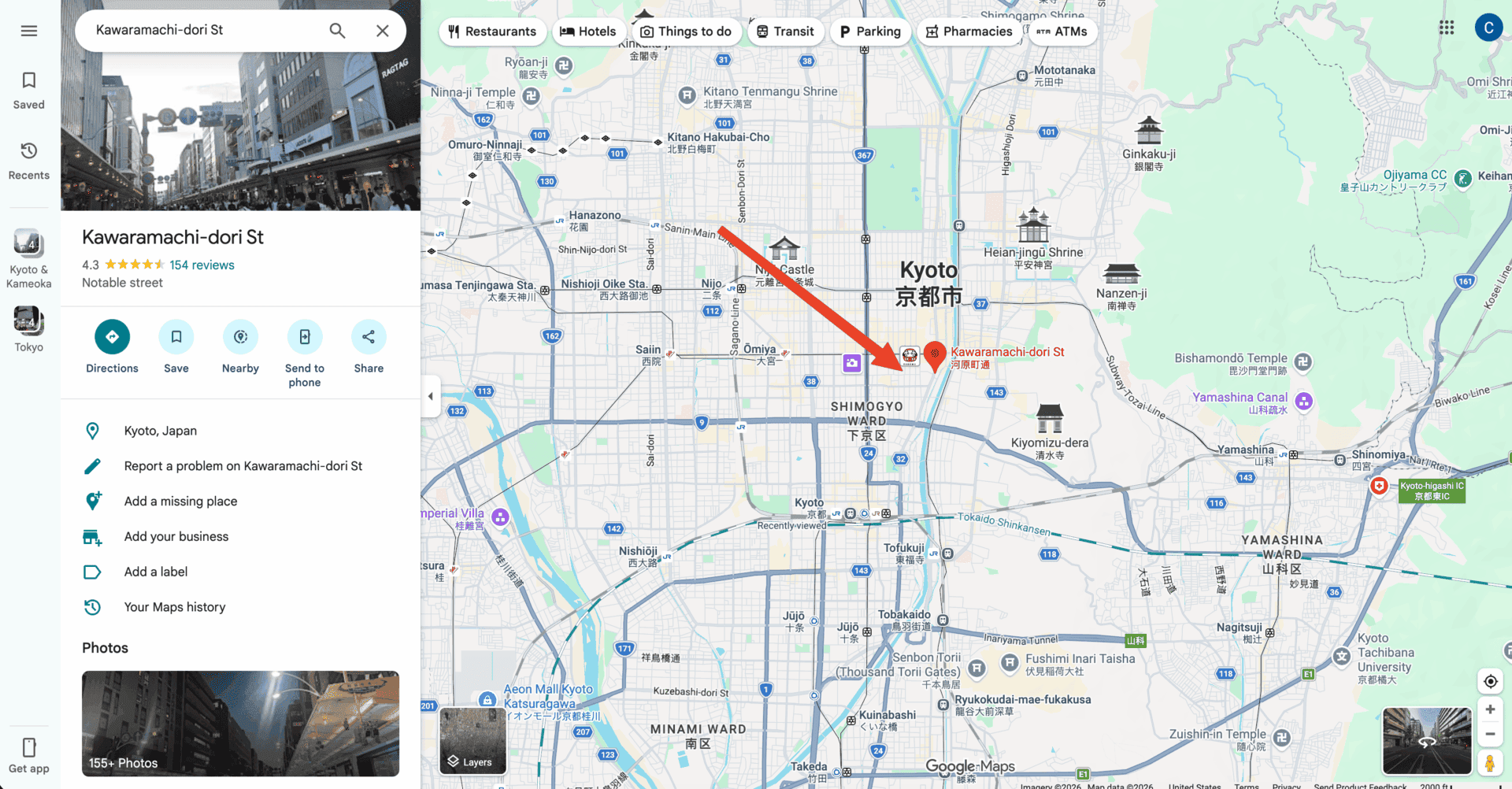
A great balance between convenience and atmosphere. Located in the city center, with excellent restaurants, shopping, and transportation.
One of the best choices for first-time visitors.
Osaka: Best Areas to Stay
Osaka is more compact than Tokyo, but choosing the right neighborhood still matters.
Namba
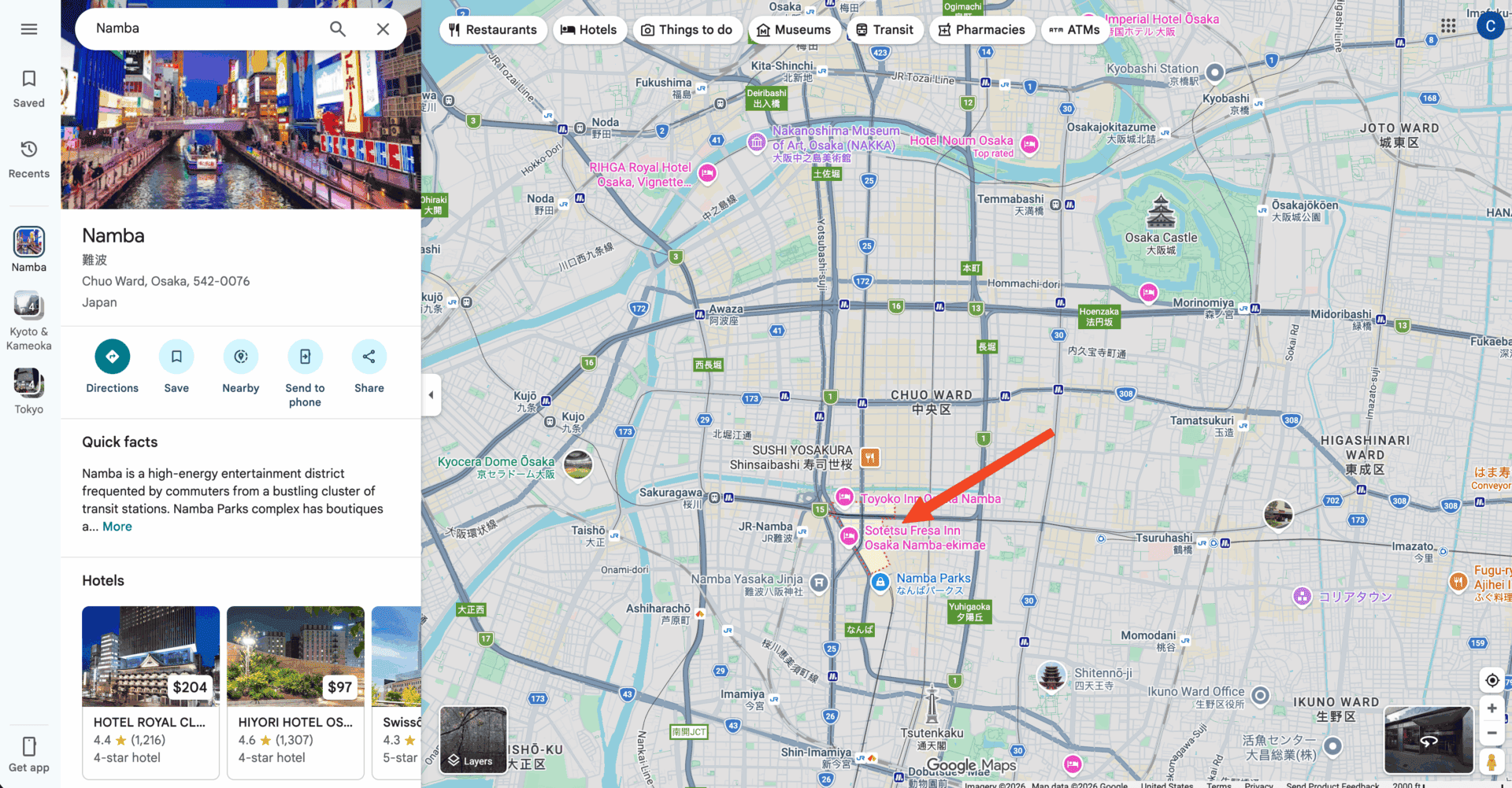
The most popular area for tourists. Home to Dotonbori, Osaka’s famous entertainment and food district, with excellent transportation connections.
The best overall choice for most visitors.
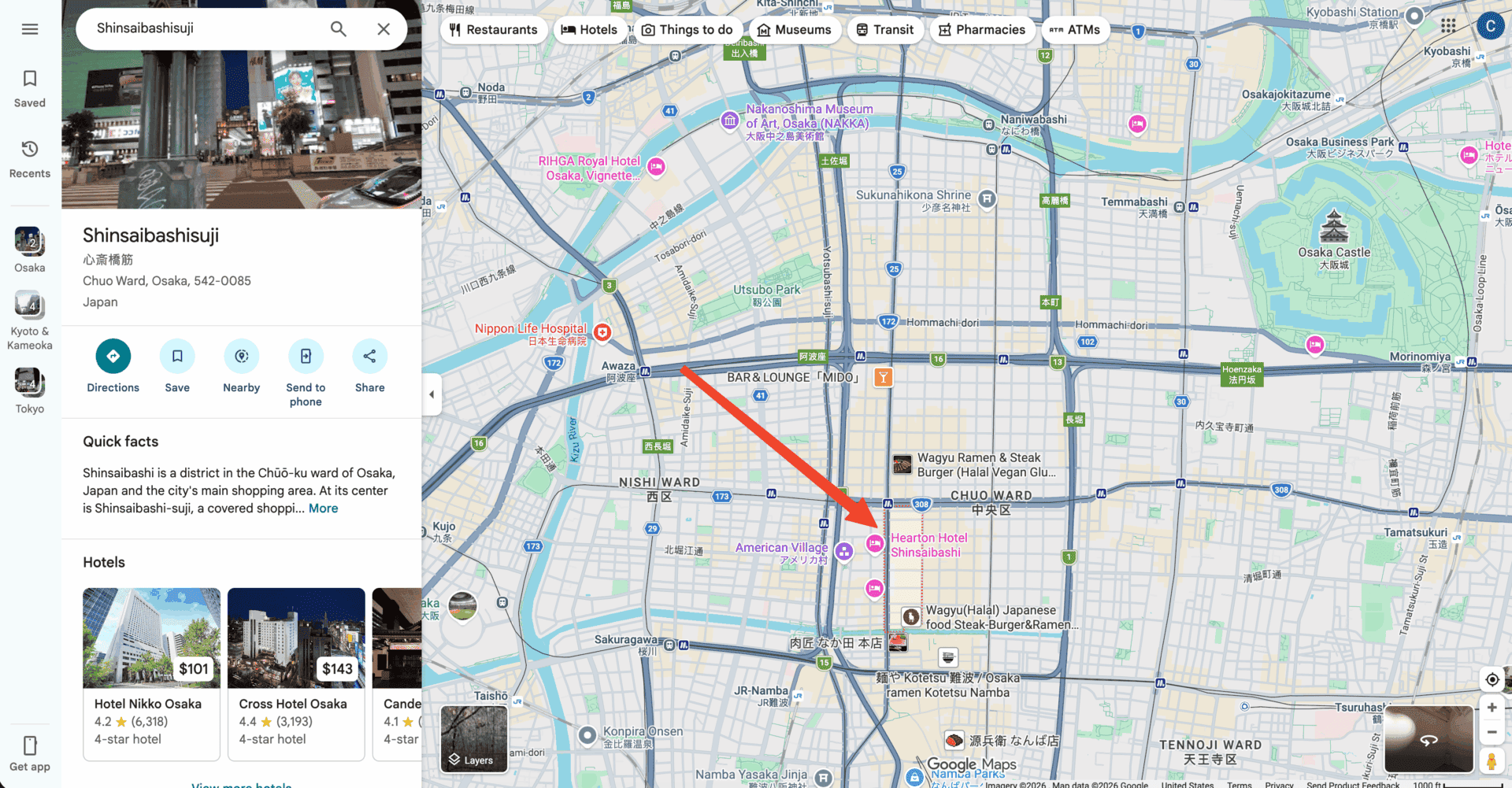
Shinsaibashi
Located next to Namba but slightly calmer. A good balance between activity and comfort.
Umeda
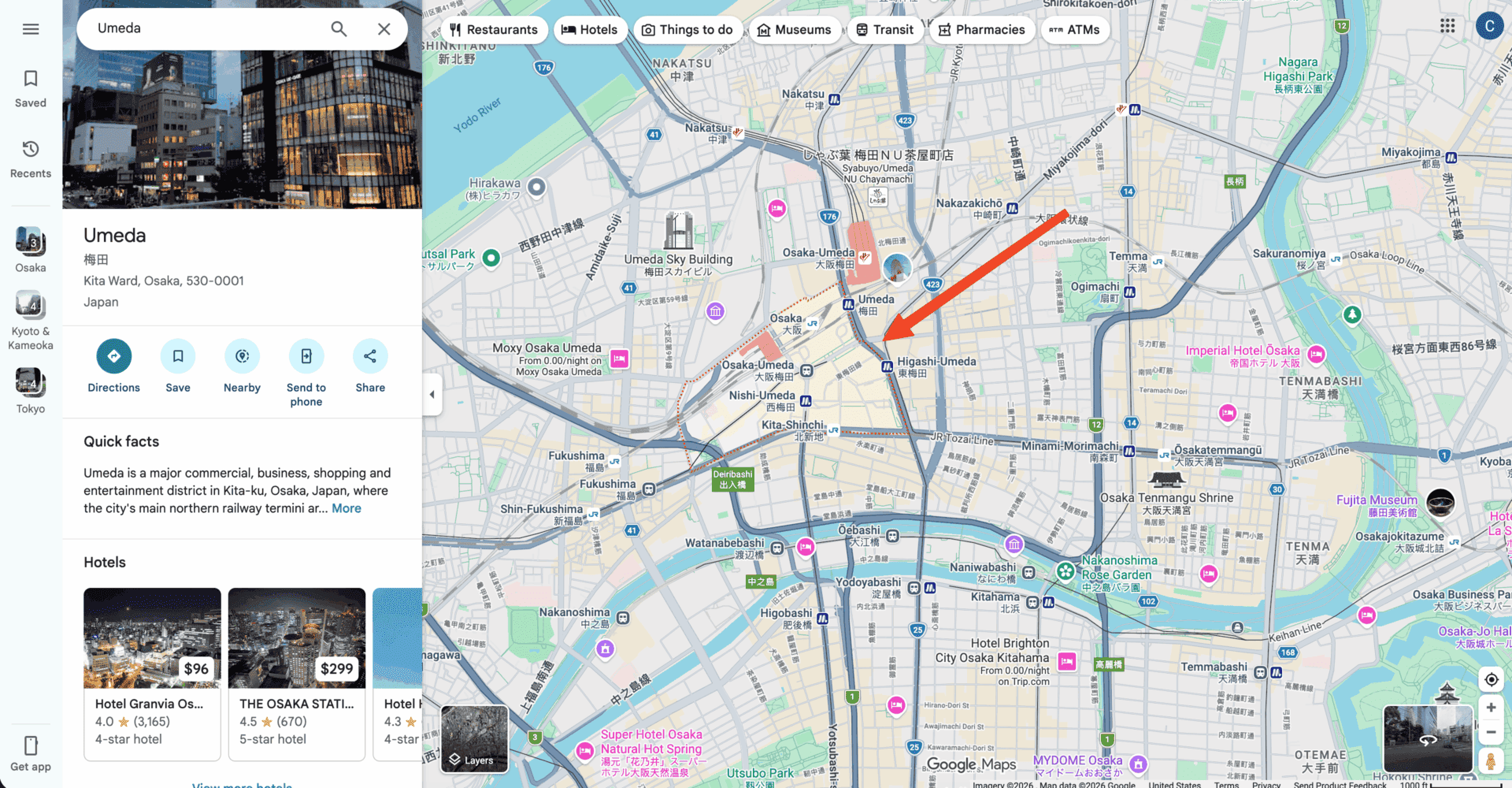
Osaka’s business district with excellent transportation connections. It is especially convenient if you plan to take day trips to Kyoto, Nara, or Kobe while staying in Osaka.
While it has less nightlife and tourist atmosphere than Namba, it offers outstanding convenience.
What to Prioritize When Choosing a Neighborhood
Your itinerary should always come first. Ideally, choose an area where several planned attractions are within walking distance or easily accessible by public transportation.
If you expect to travel around frequently, proximity to major train stations becomes even more important.
If you’re unsure which area fits your route best, try our travel planning assistant at https://itinerary.city/. Share your itinerary and ask for neighborhood recommendations — it can help identify the most convenient location for your hotel.
Common Mistakes
One of the most common mistakes is choosing a beautiful area that is inconvenient for transportation. For example, staying far from central Tokyo or in remote parts of Kyoto may add one to two hours of commuting every day.
Another common mistake is saving money on location. A cheaper hotel may result in higher transportation costs and significant time loss throughout the trip.
Final Thoughts
If you want a simple rule of thumb:
- Tokyo: Shinjuku or Shibuya
- Kyoto: Kawaramachi or Kyoto Station Area
- Osaka: Namba or Umeda
The most important rule is simple: paying a little more for a better location is usually worth it if it saves you hours of commuting during your trip.